
2025 Winner
Southern fairy tale
Entrant
Millet Design Co., Ltd.
Category
Architectural Design - Sustainable Landscaping
Client's Name
JEOU TARNG ESTATE CO., LTD.
Country / Region
Taiwan
Gallery
About The Entry
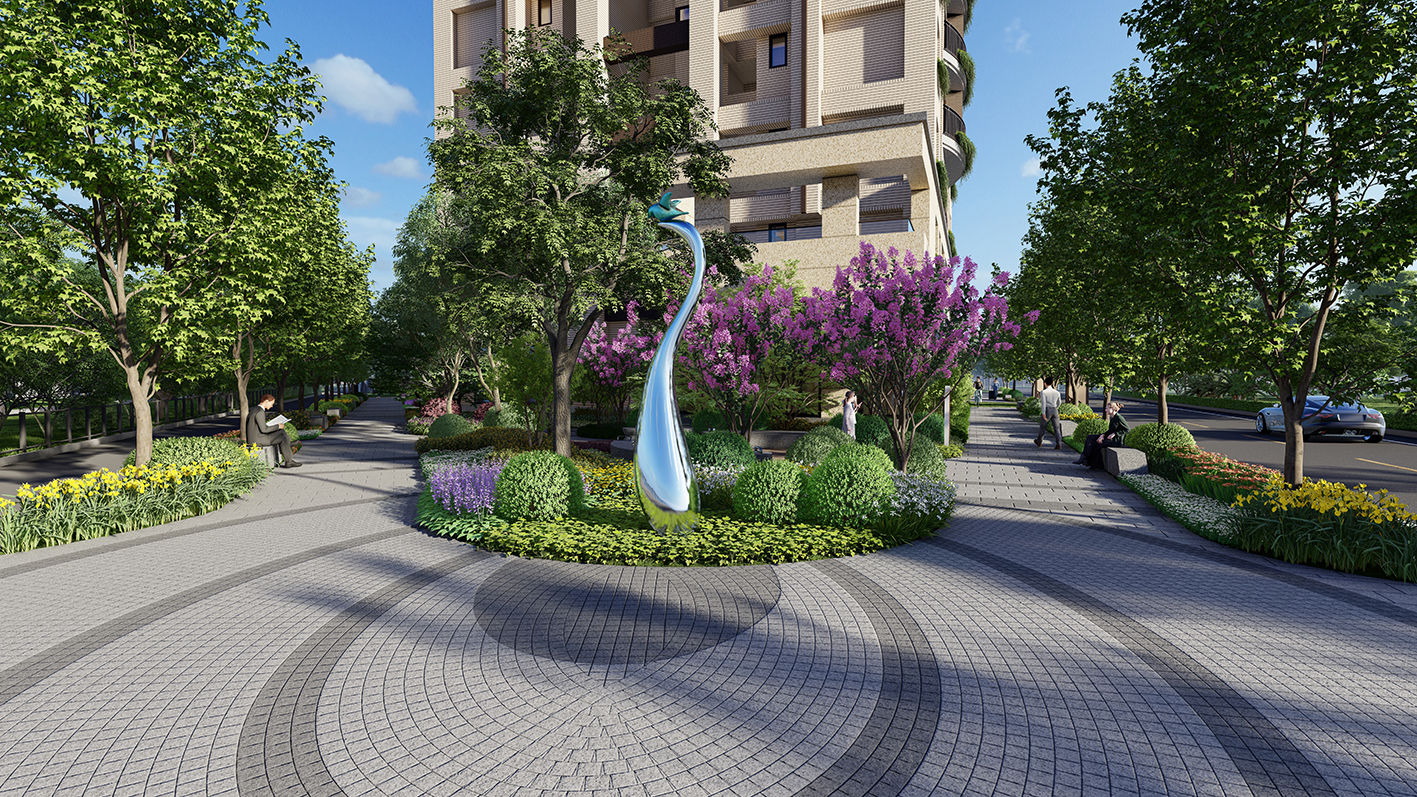
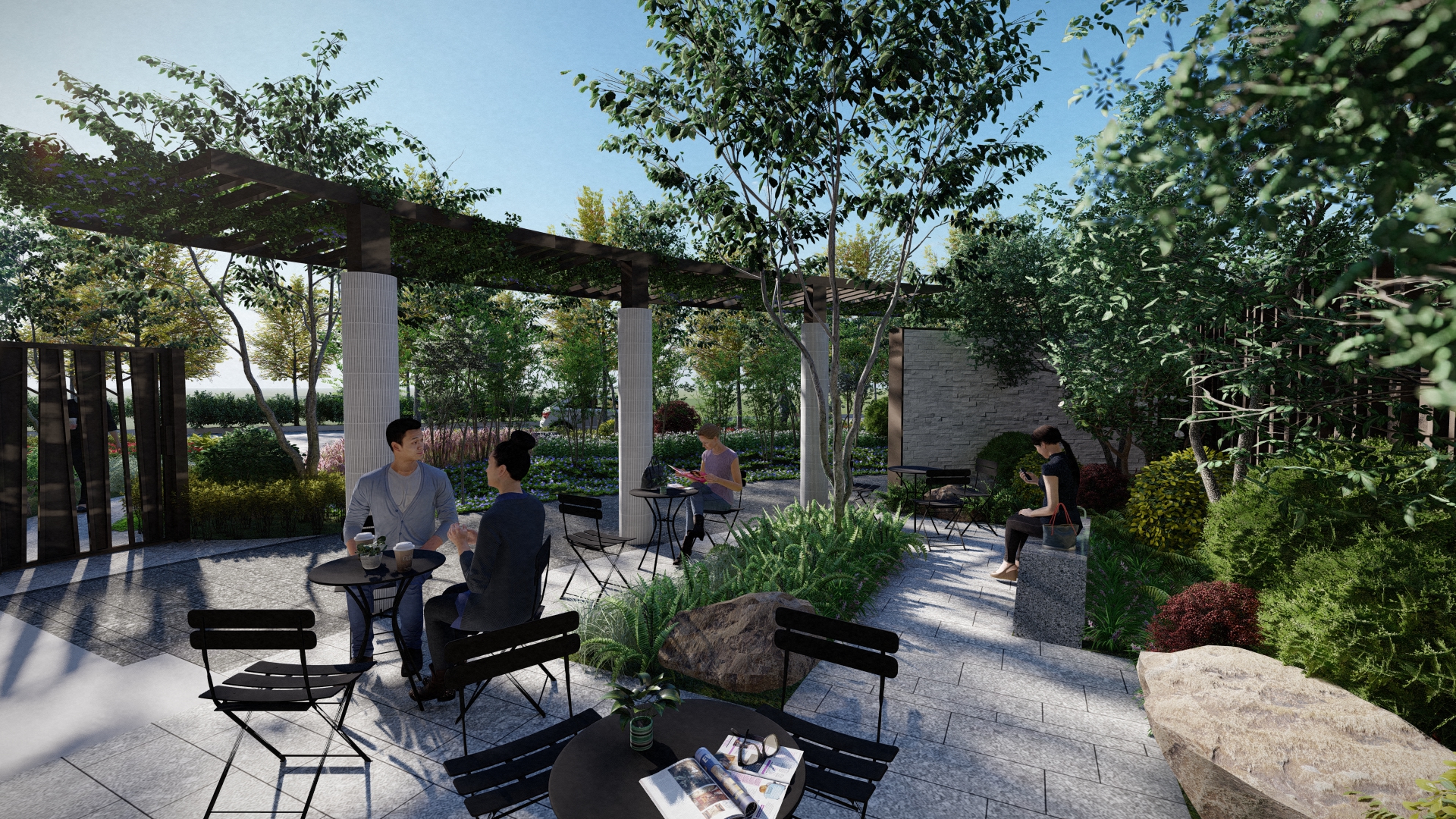
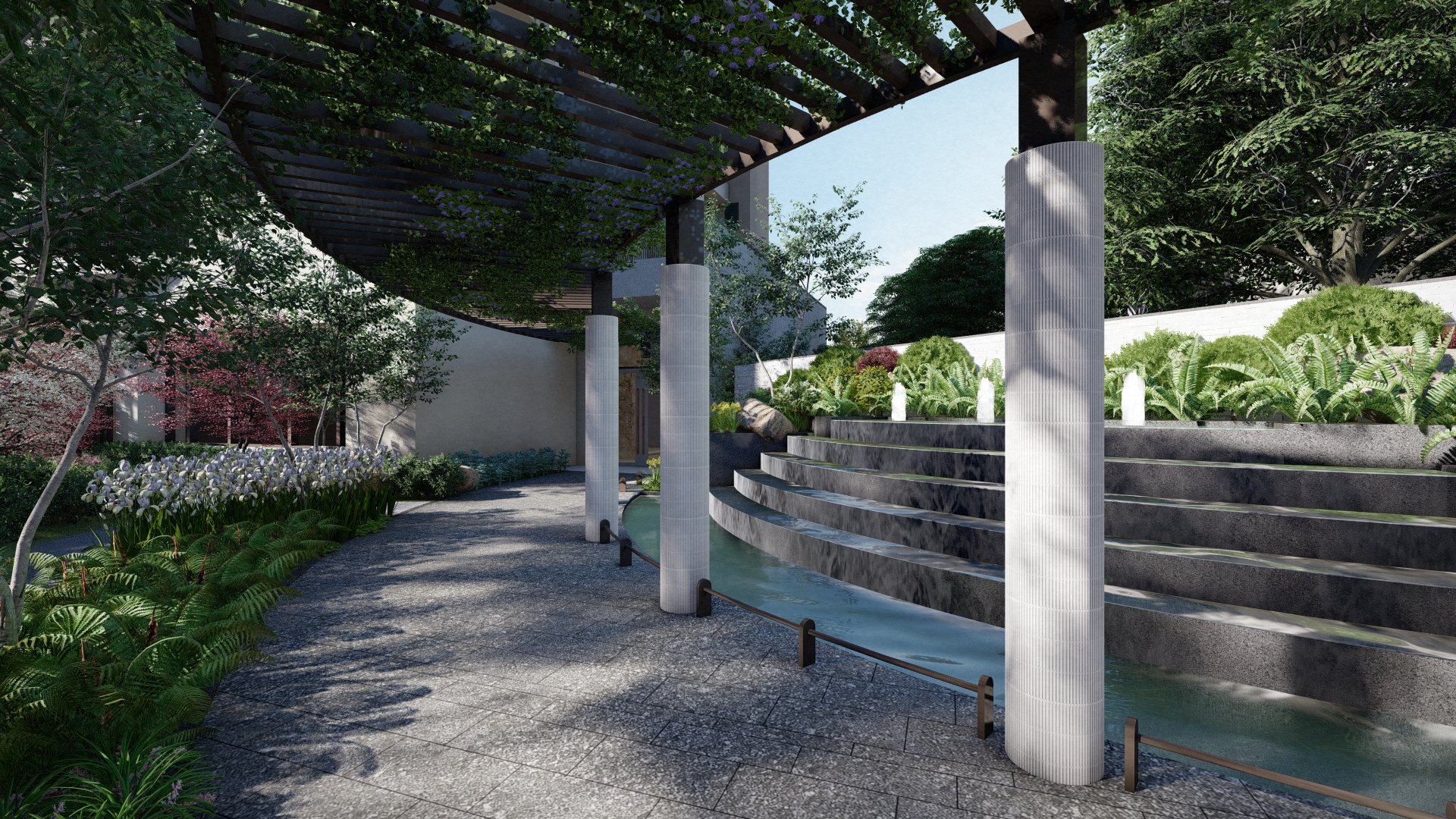
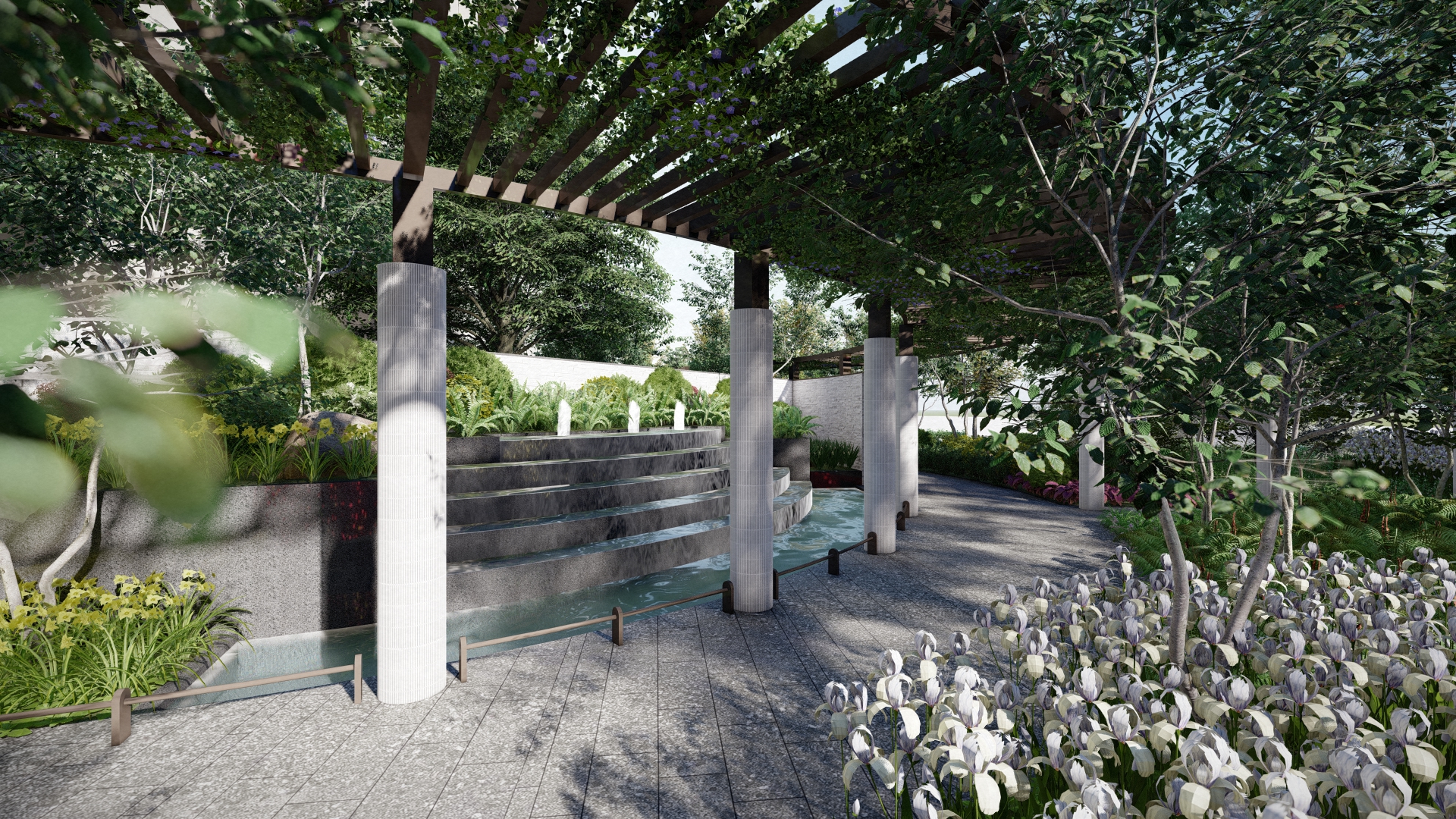
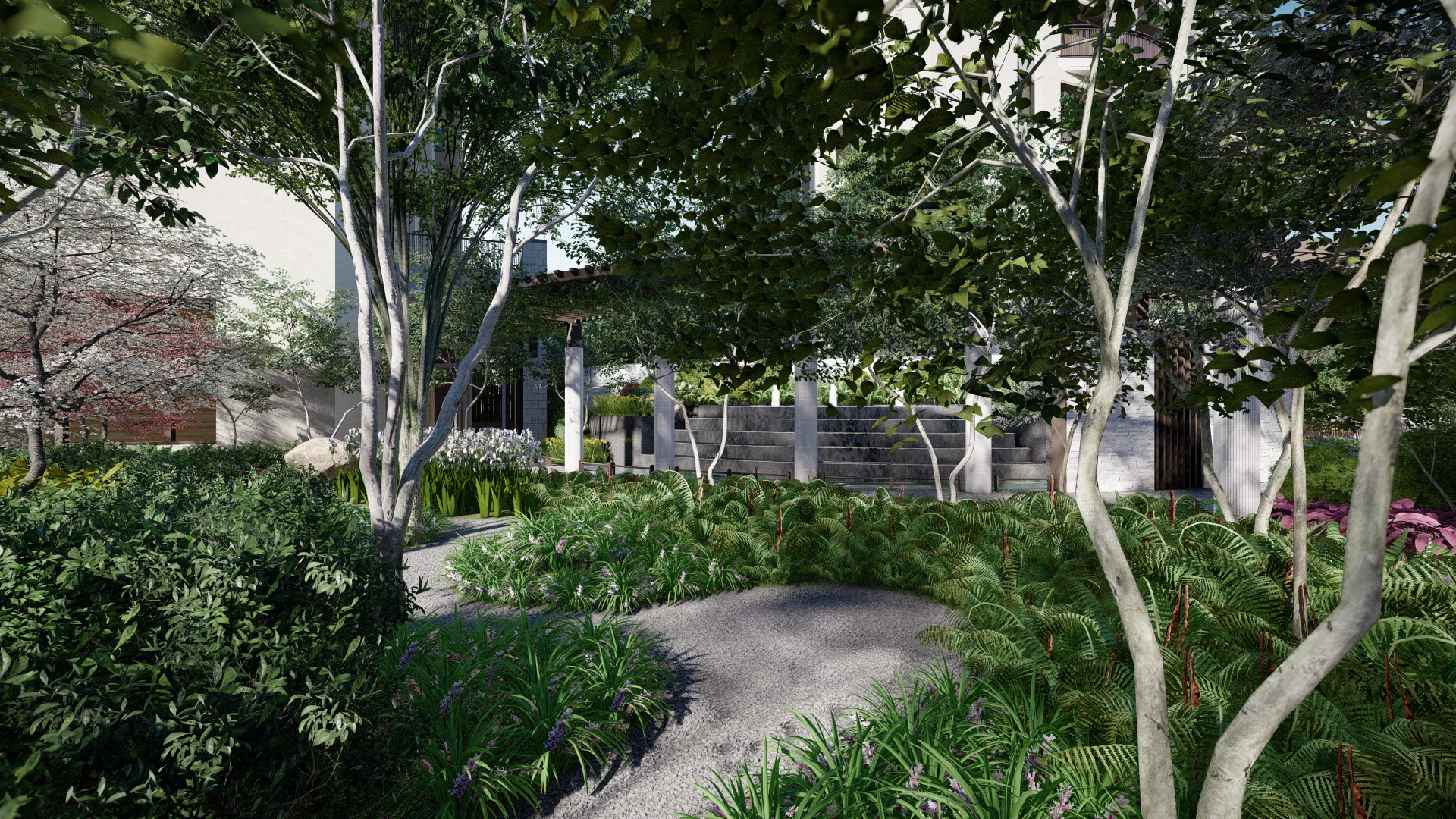
The irrigation canals that nourished ShenGang’s farmlands 300 years ago are reimagined as water terraces and flowing waterways, evoking local history and symbolizing the passage of time. Water is seamlessly integrated with floral archways, pathways, and a circular promenade, connecting memory, culture, and community life.
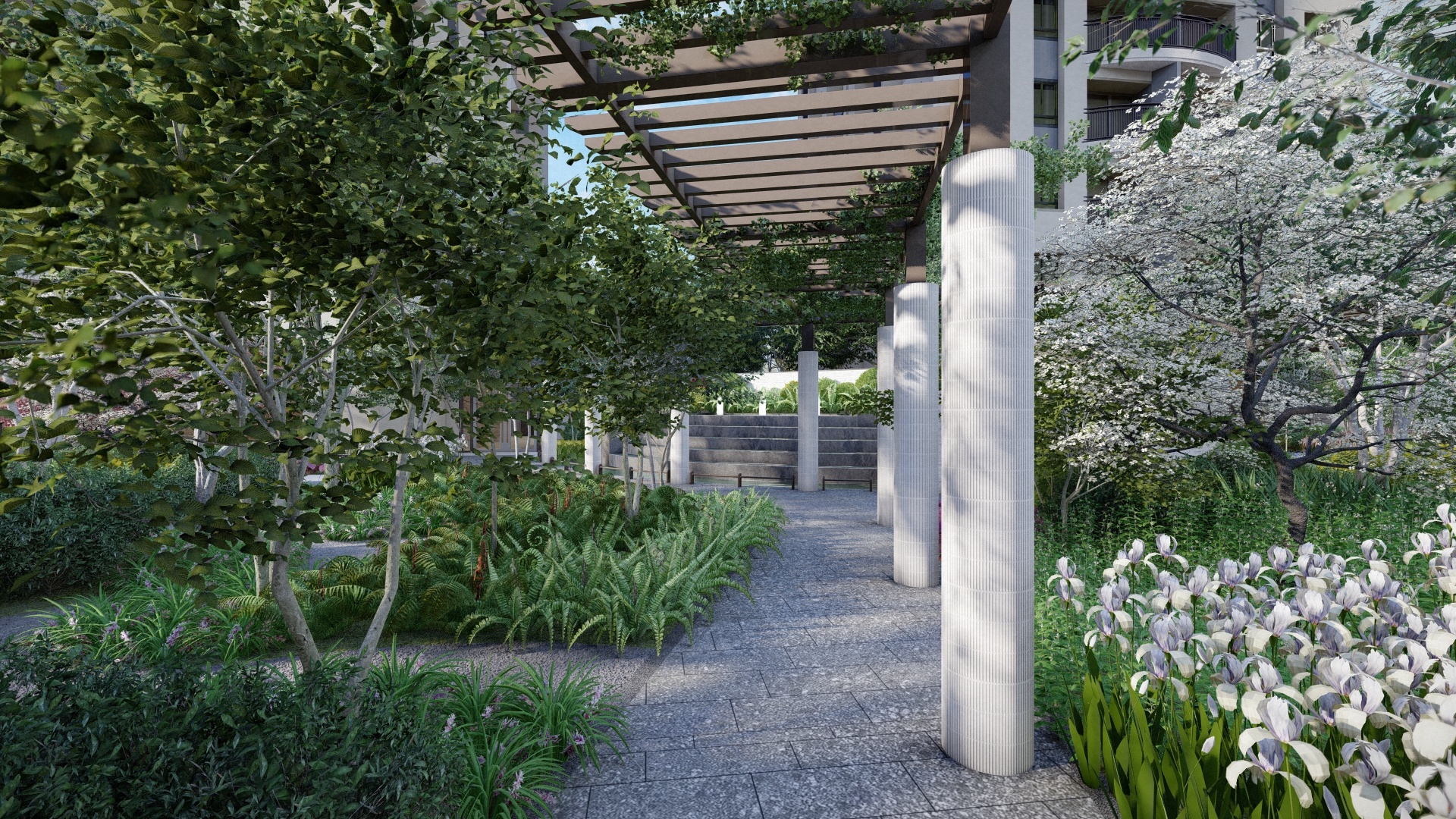
Rooted in the subtropical climate and local ecology, the garden is envisioned as a nature-inspired sanctuary. Meandering paths invite seasonal experiences—listening to spring rain, resting in summer shade, admiring autumn foliage, and finding winter refuge—ensuring year-round beauty and a strong connection with the natural environment.
To enhance biodiversity and ecological resilience, the planting design adopts a nature-oriented strategy that recreates native forest habitats within the urban fabric. Patch-style mixed planting increases nectar-rich and edible species, strengthens plant communities’ adaptability to environmental stress, reduces maintenance, and creates diverse habitats for urban wildlife, supporting long-term ecological stability.
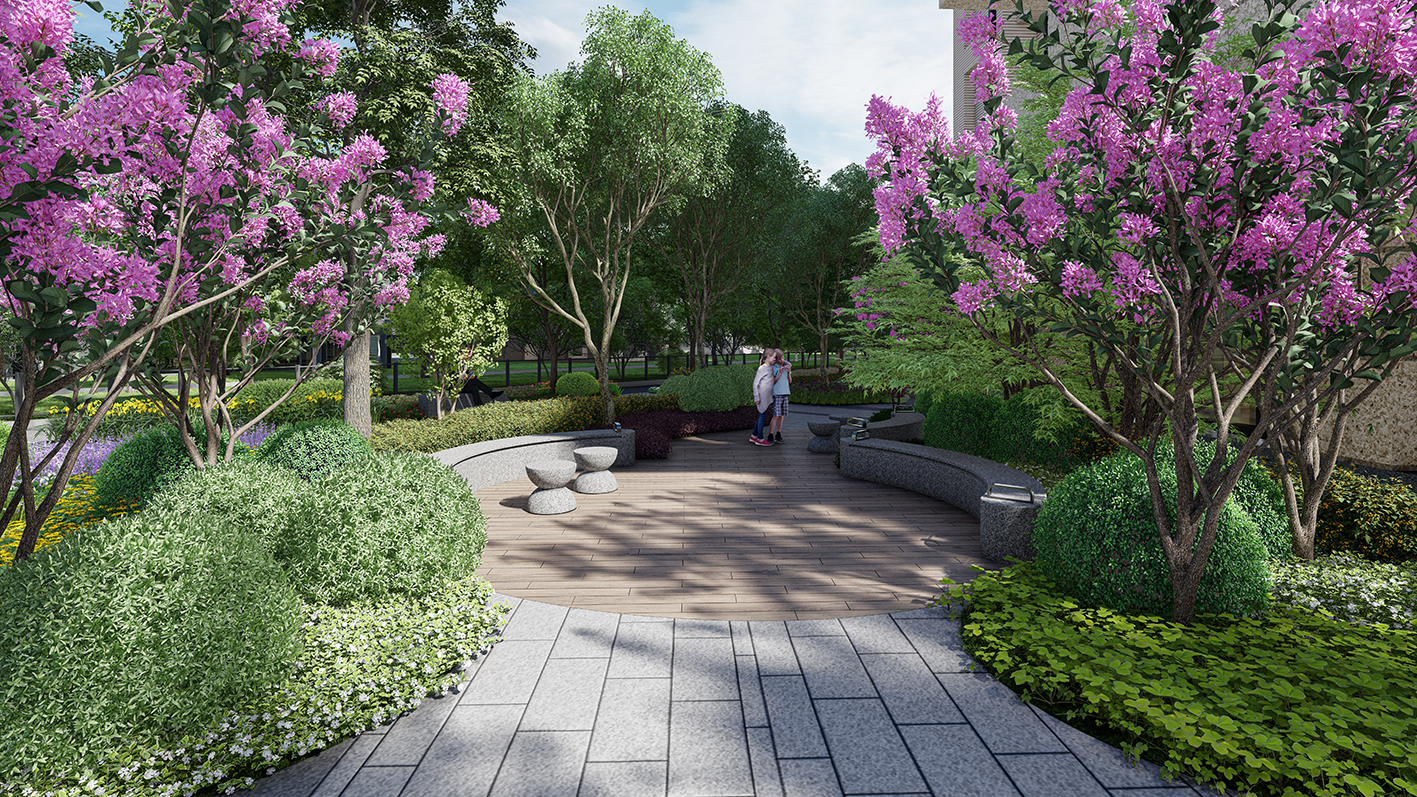
The garden is shaped into three distinctive themes—Wild Garden, Green Field Garden, and Forest Garden—restoring the characteristic vegetation of the region. These spaces provide ecological diversity, encourage community participation, and promote a healing and healthy lifestyle.
1. Wild Garden
Walking among floral corridors and waterside pavilions, visitors encounter a secluded haven of wildflowers. Murmuring streams and the whispers of leaves in the mountain wind accompany children’s laughter and elders’ reflections. Native canopy trees, shade-tolerant ferns, and trailing groundcovers grow naturally with the seasons, offering an authentic experience of coexisting with nature.
2. Green Field Garden
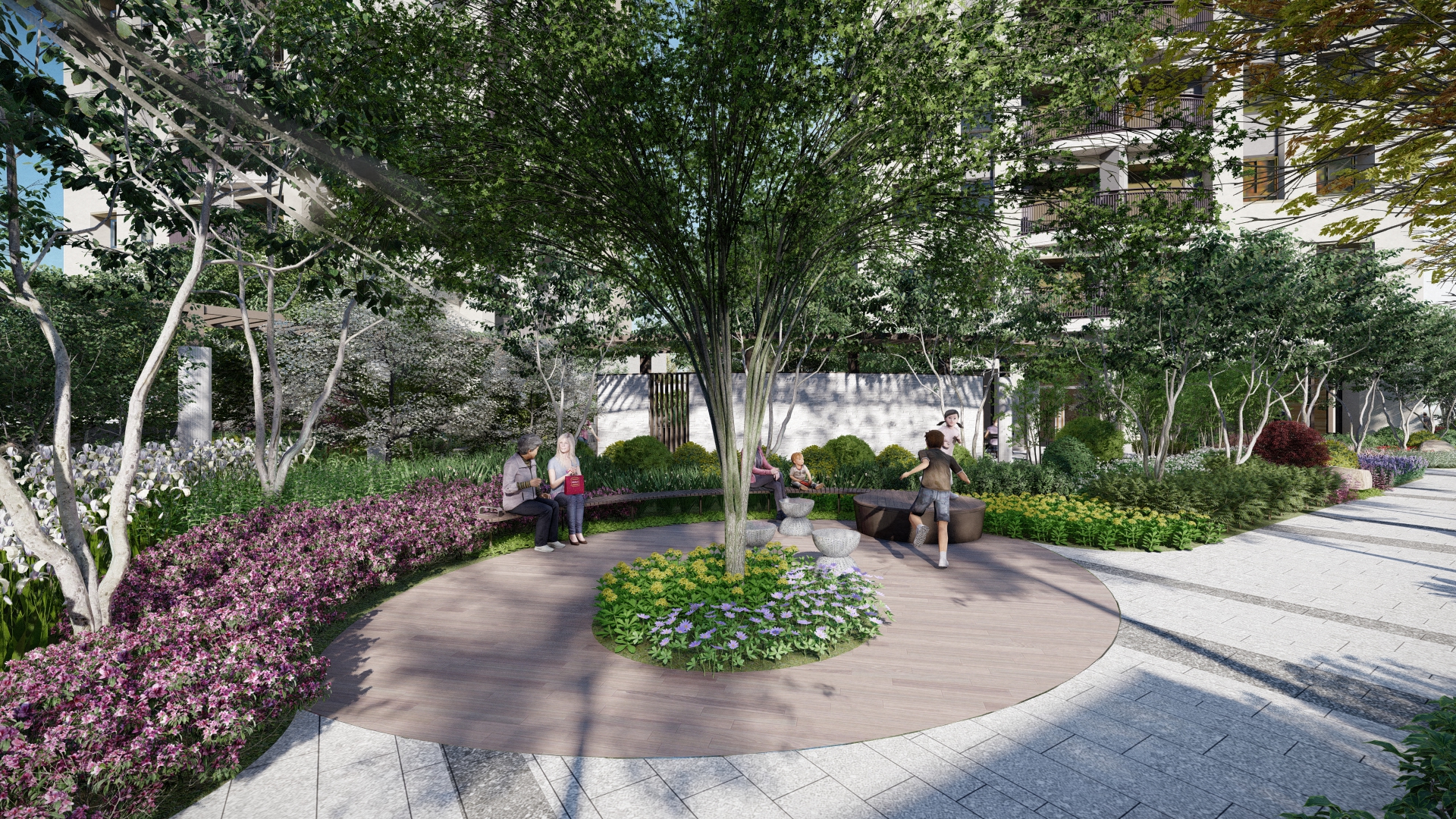
This area offers biophilic features and a versatile parent–child activity space, integrating nature experiences with play, learning, and participation. Families are provided with a safe place to observe local ecology. Nectar-rich grasses and edible plants add seasonal beauty while restoring biodiversity, turning the space into both a community learning field and a shared garden.
3. Forest Garden
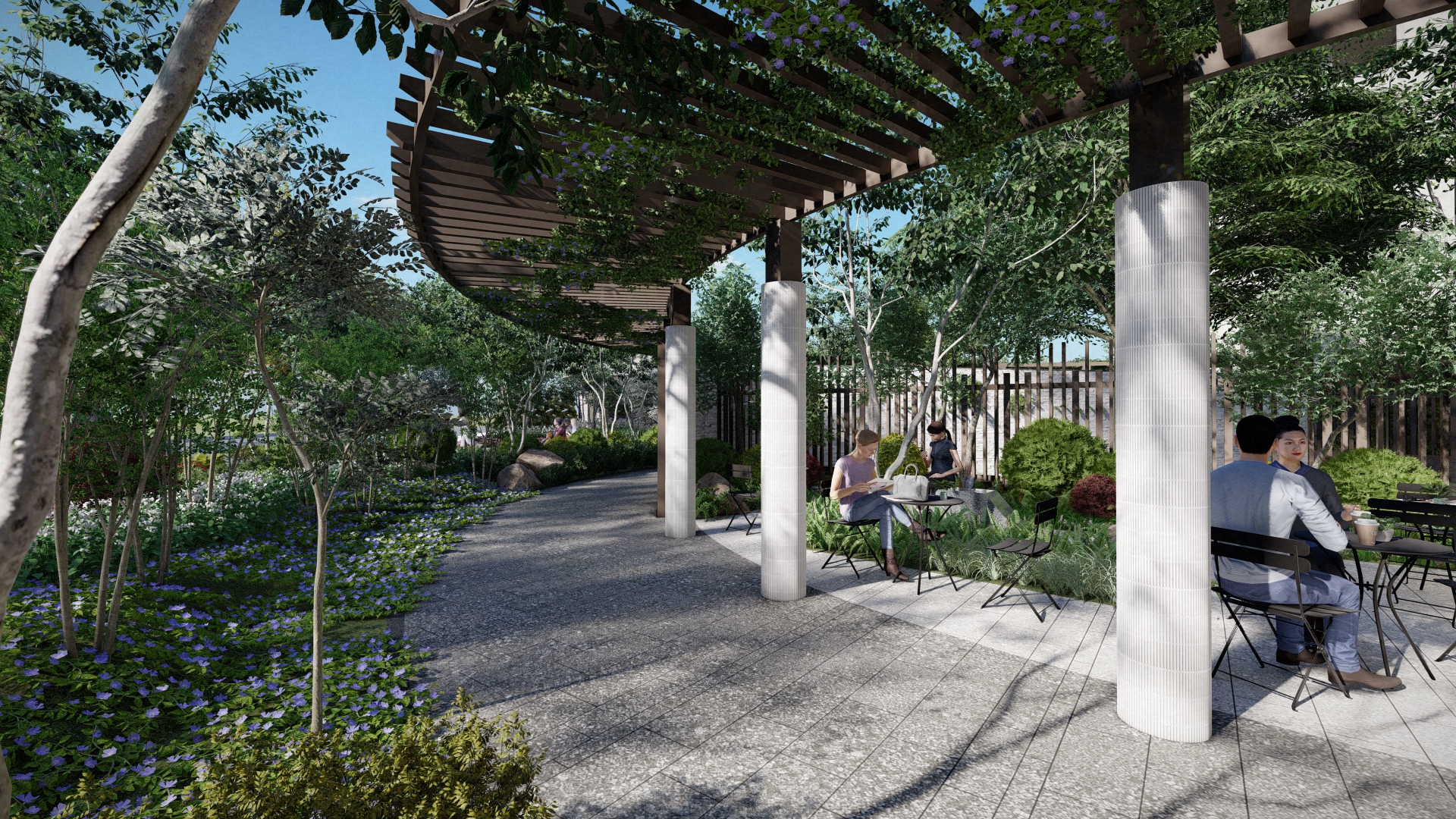
This area features a woodland rest zone, with tree-lined paths serving as the main circulation routes connecting surrounding spaces. The shaded trails not only provide cooling in summer but also encourage residents to step outdoors, exercise, and cultivate a healthier lifestyle.
Credits

Entrant
MR STUDIO Co., Ltd. + Aida sekkei Co., Ltd. + KAWADA INDUSTRIES, INC.
Category
Architectural Design - Factory / Warehouse
Entrant
Initialday Interior Design
Category
Interior Design - Residential