2026 Winner
Be water, my friend
Entrant
Bingxin Jiao/Xiaoyu Cao/Weiyu Wu
Category
Student Design - Architectural Design
Client's Name
-
Country / Region
China
Gallery
About The Entry
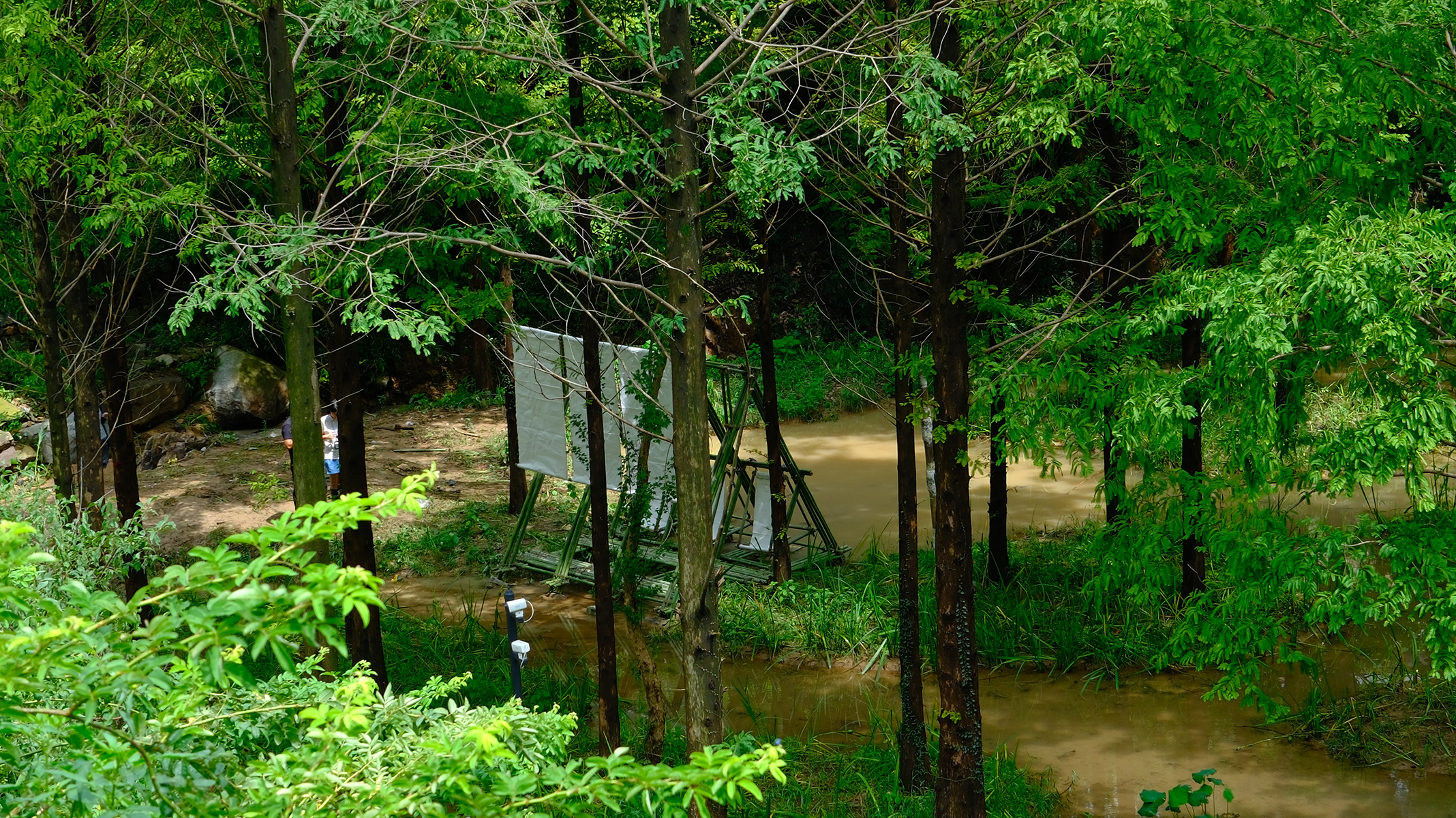
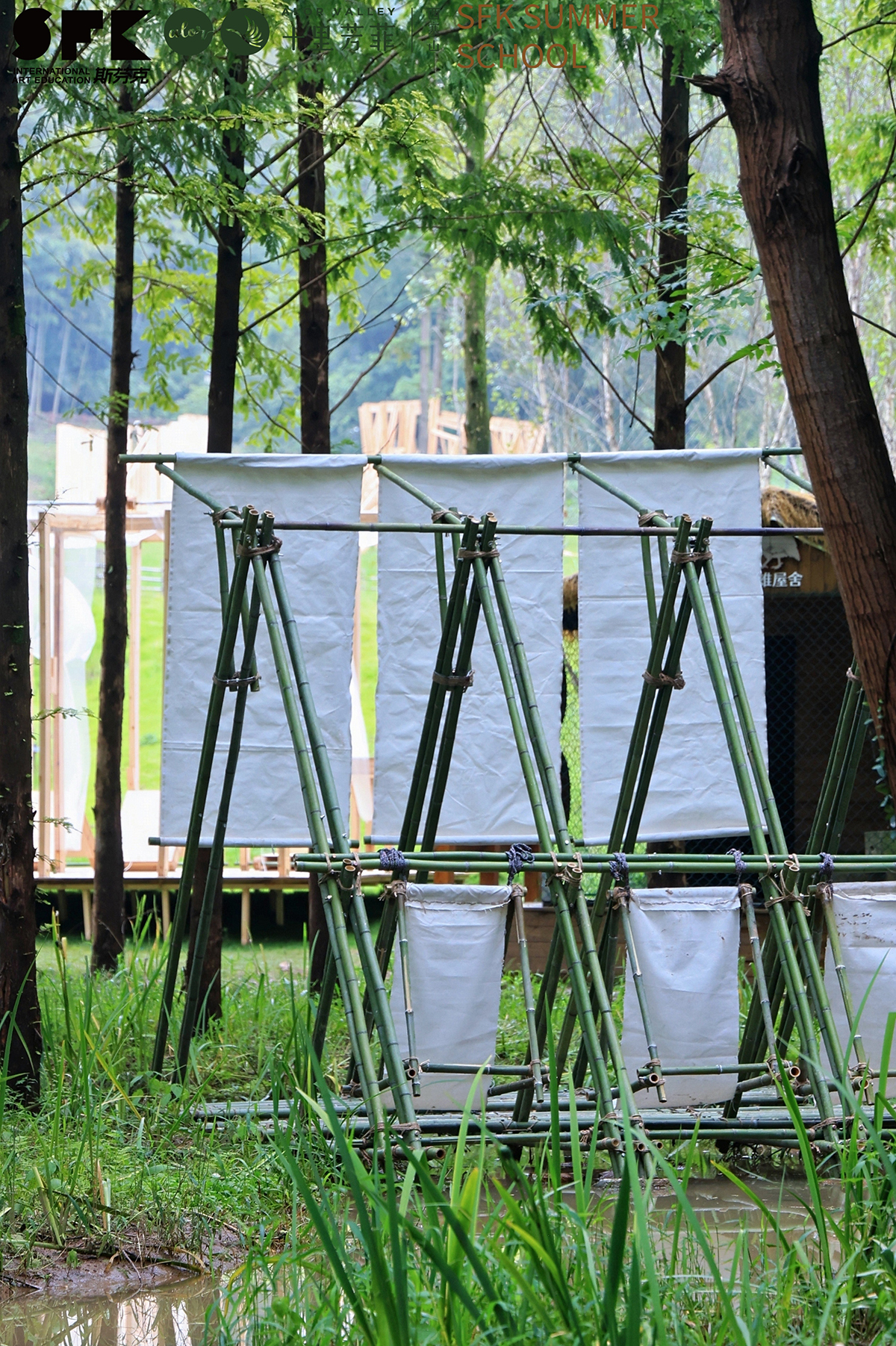
This project is a design for an integrated bridge-pavilion landscape structure. It centers on the idea of "connectivity and symbiosis", linking the two sites with a pedestrian bridge. It departs from the common human-centric approach, balancing the survival needs of people and various organisms: a pedestrian pathway for pedestrians; a stay-and-play space for children; temporary habitat shelters for small animals like birds and fish. This philosophy enables the structure itself to serve as part of the ecosystem, achieving harmonious coexistence between people, animals, and the natural environment.
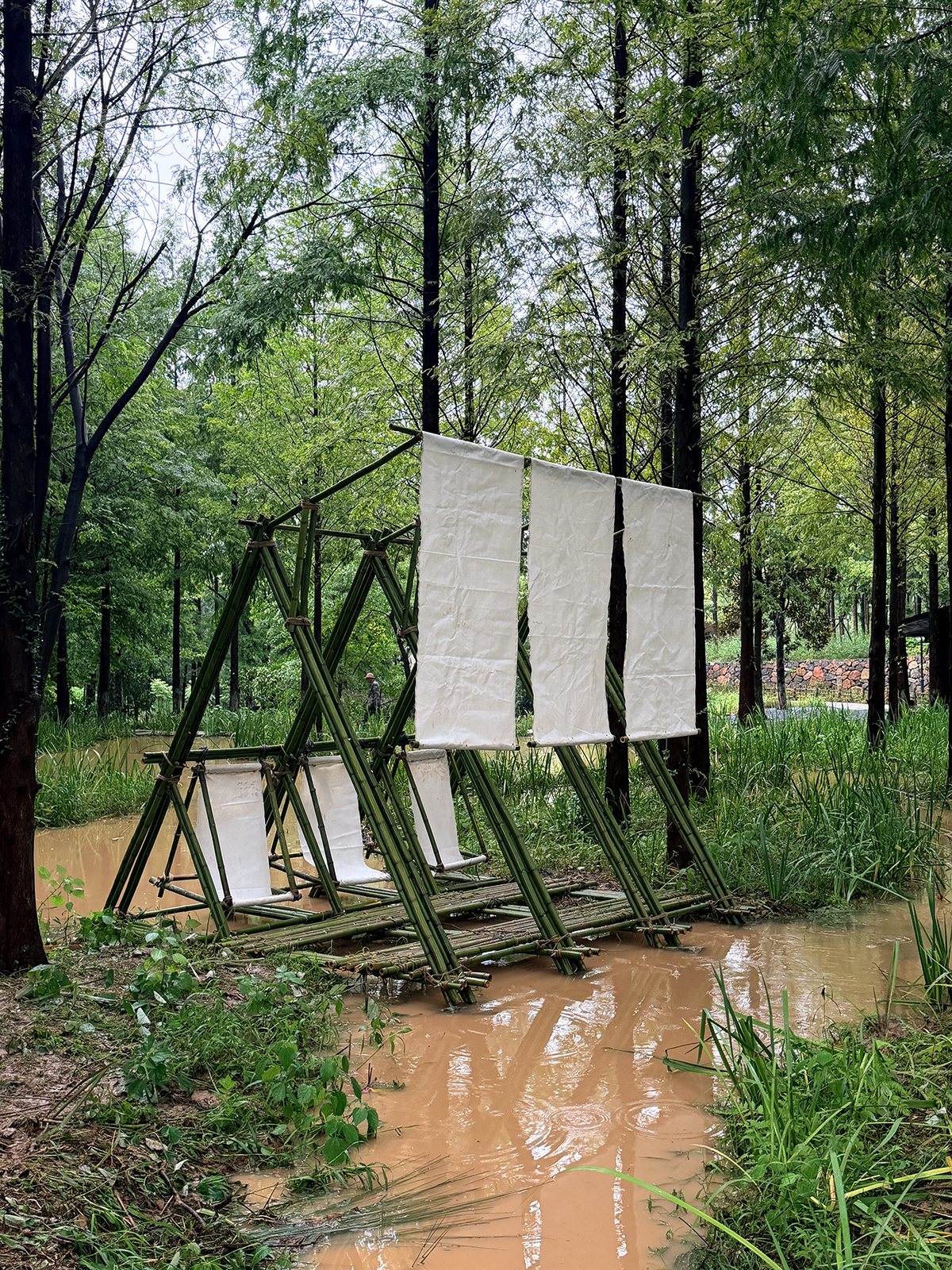
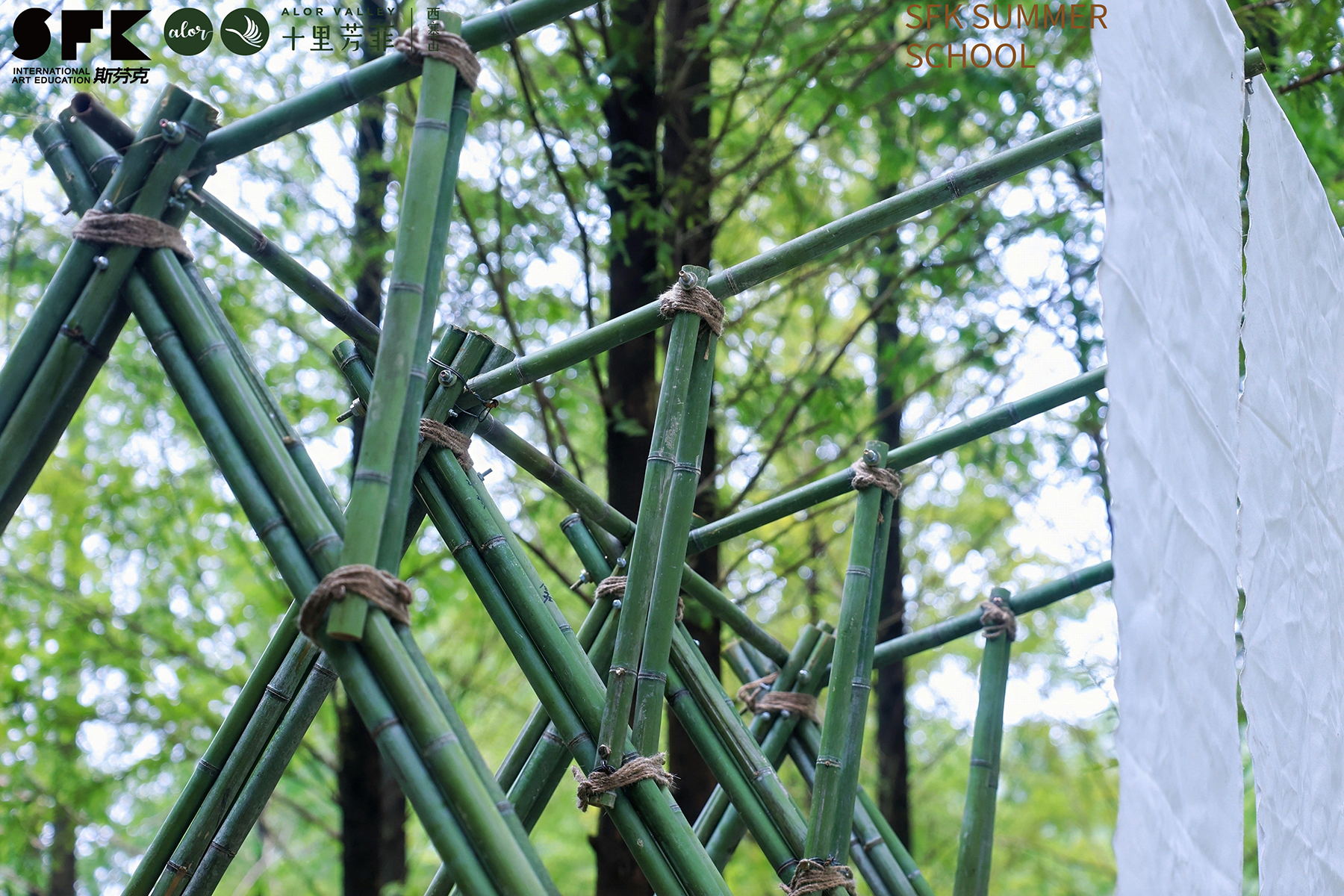
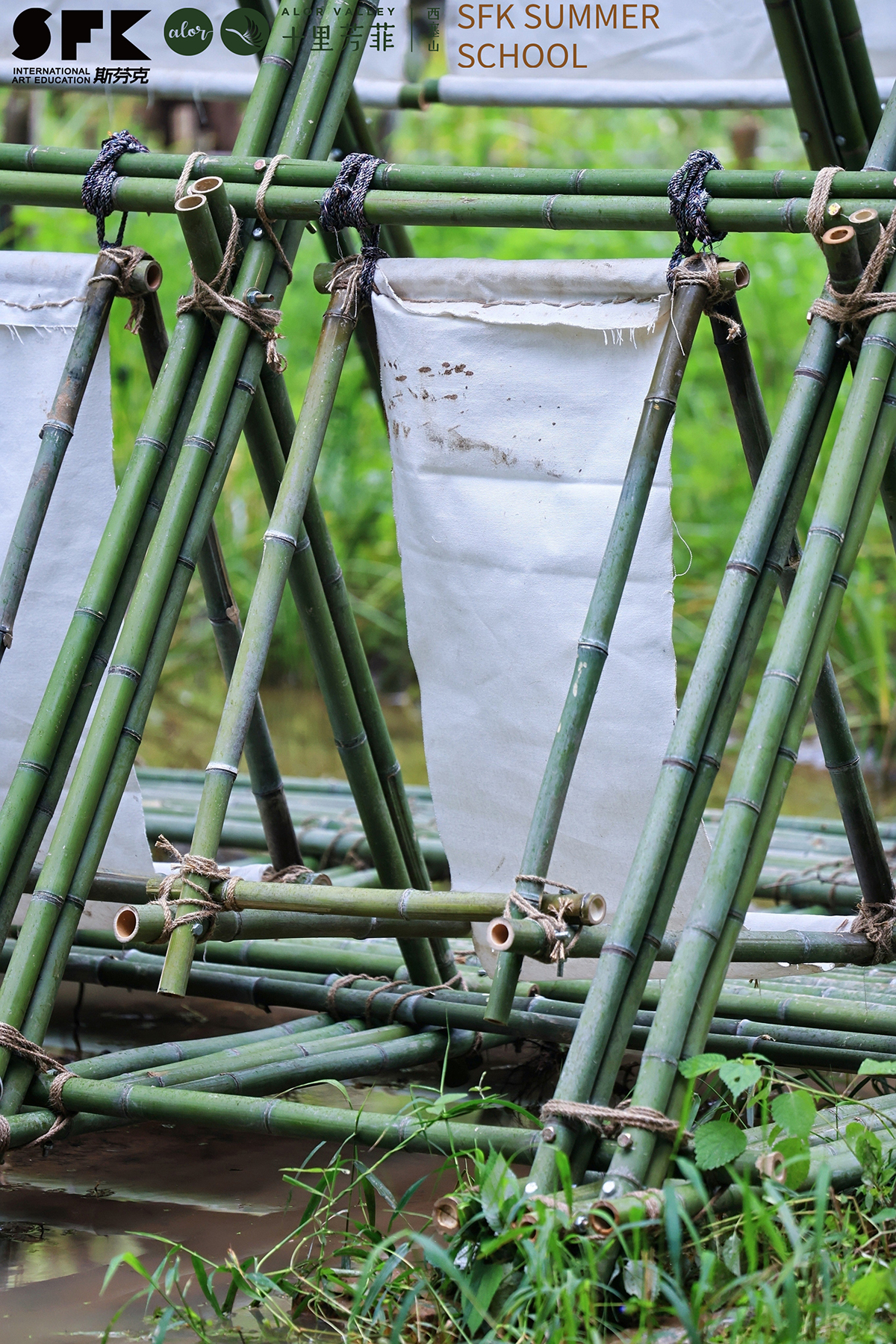
This project pioneers the installation of the structure in a wetland environment. Its primary framework adopts two sets of equilateral triangles of different sizes, working in tandem with three movable triangular seats and soft white fabric for balanced stability and aesthetic appeal. Inside the structure, the activity area for children provides spaces for rest and lingering, accommodating a range of age groups. The structure employs light-transmitting components, leveraging natural light to create rich light and shadow effects, harmonizing its architectural appearance with the wetland environment. With these dedicated designs, this project achieves a shared territory between humans and non-biological elements, delivering multiple functions: passage, rest, and ecological protection.
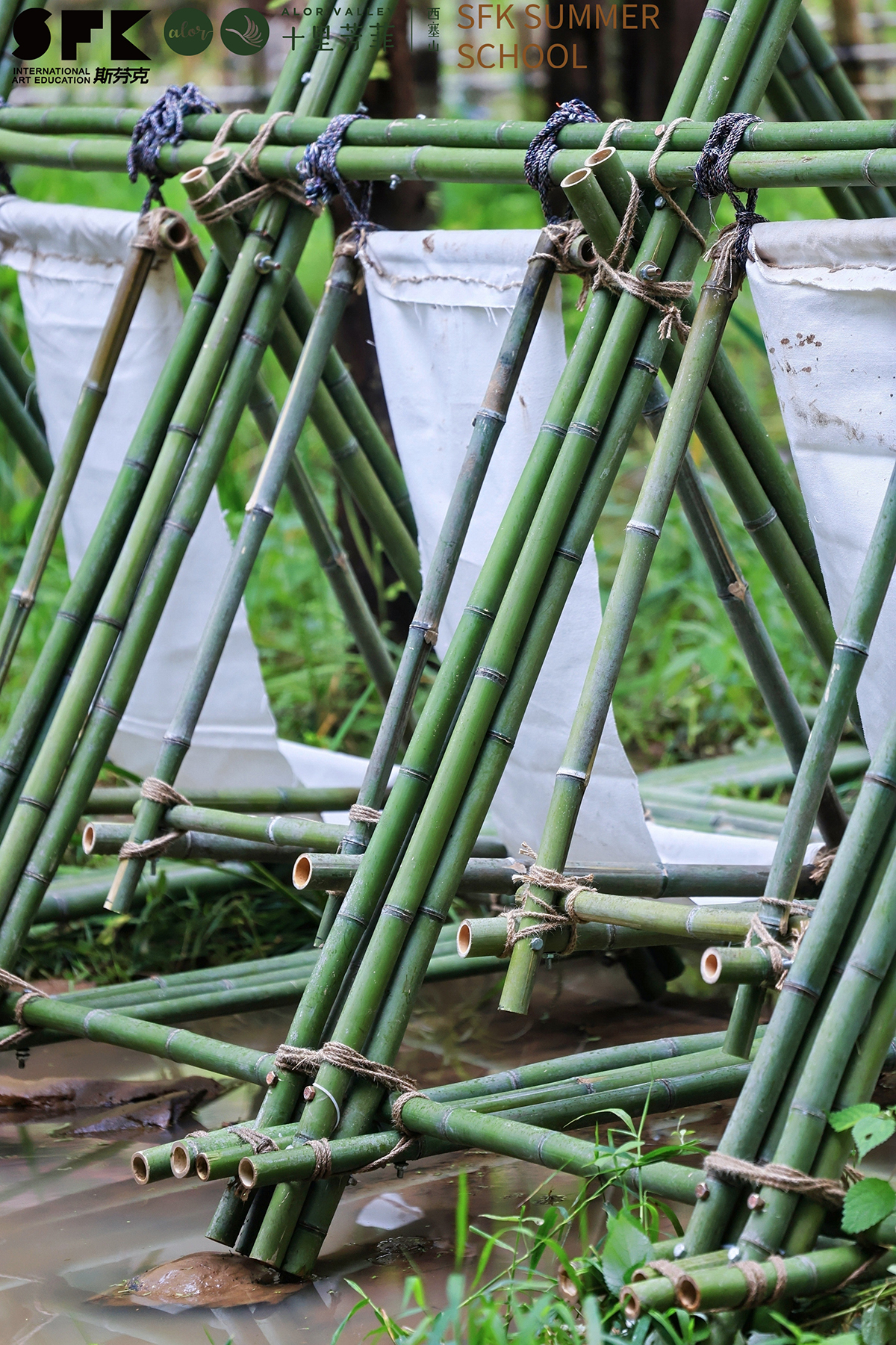
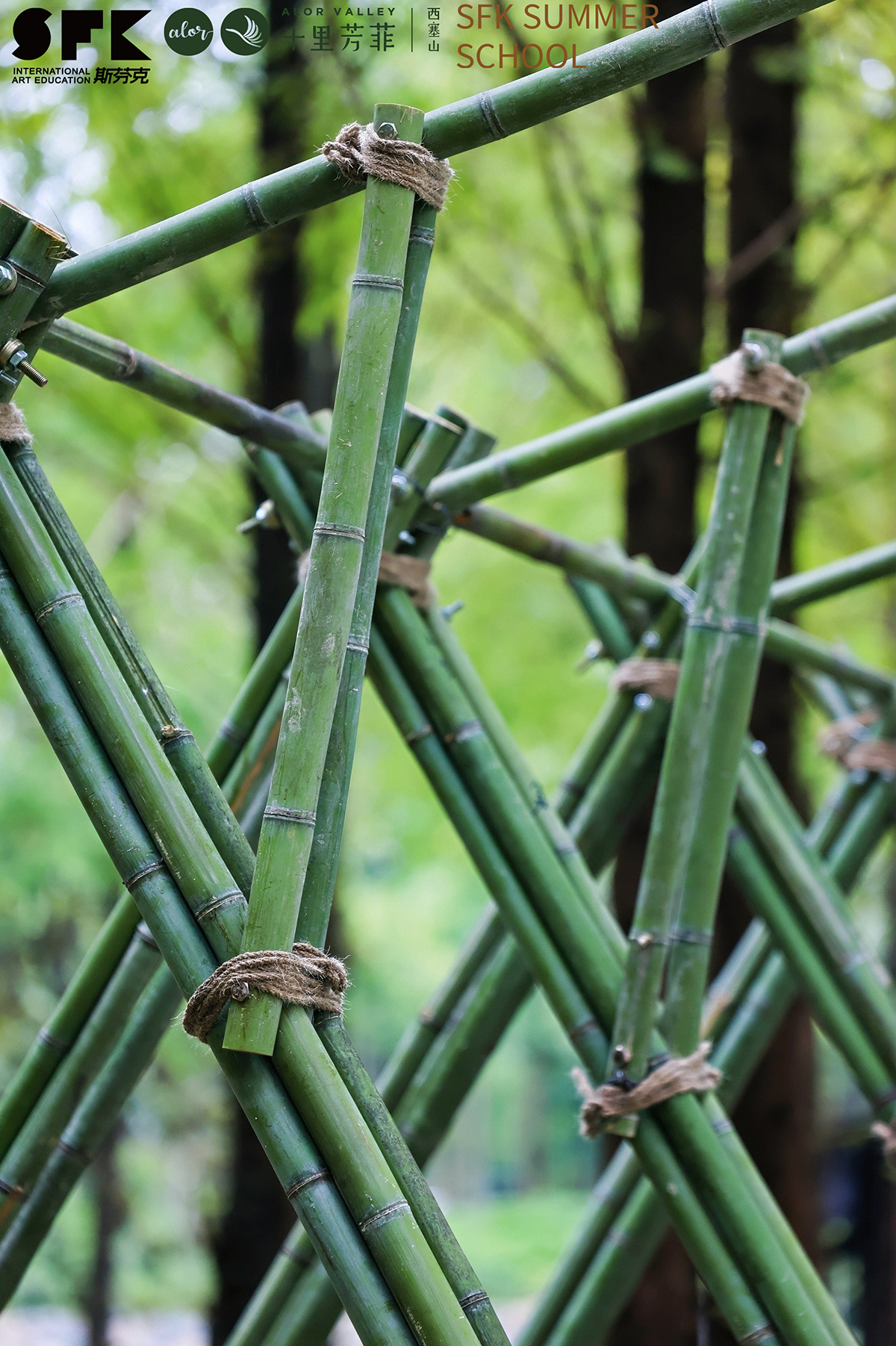
This project incorporates natural bamboo culms as its primary construction material. Bamboo has a short growth cycle and high malleability, and is well-suited to outdoor environments; it can also be fully recycled throughout its life cycle and is pollution-free, with minimal environmental impact during construction and use.
The project applies dry-hanging or prefabricated modular installation, reducing on-site construction and minimizing intervention in the wetland environment. It also fully utilizes natural daylighting in the wetland, relying on overhead shading components to regulate light, avoiding the use of artificial lighting, while balancing ecological protection and long-term value.
Credits

Entrant
Mooooi Studio
Category
Interior Design - Public Spaces