
2025 Winner
ONE OASIS
Entrant
HZS Design Holding Company Limited
Category
Architectural Design - Public Spaces
Client's Name
COBD HOLDINGS (GUANGZHOU) COMPANY LIMITED
Country / Region
China
Gallery
About The Entry
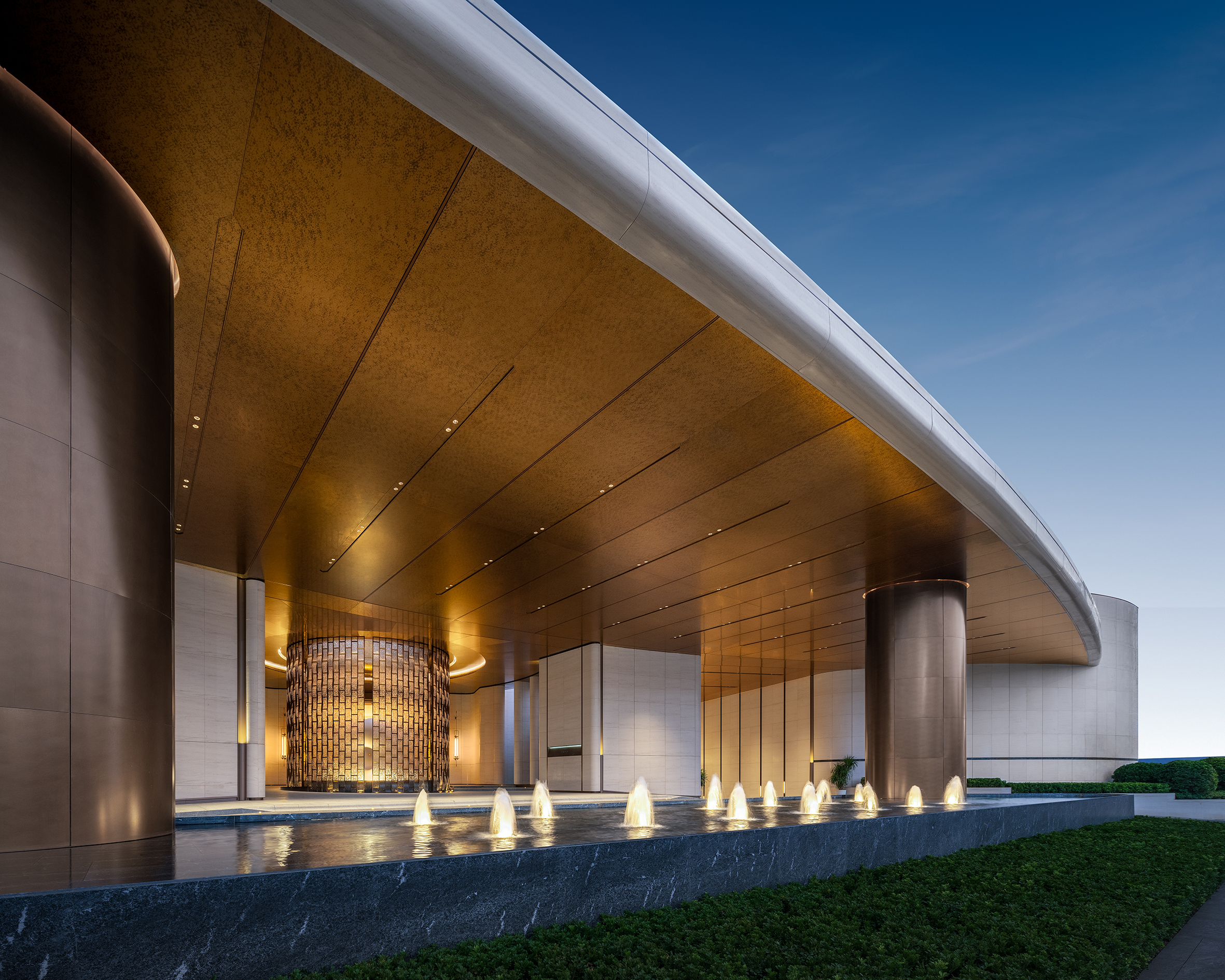
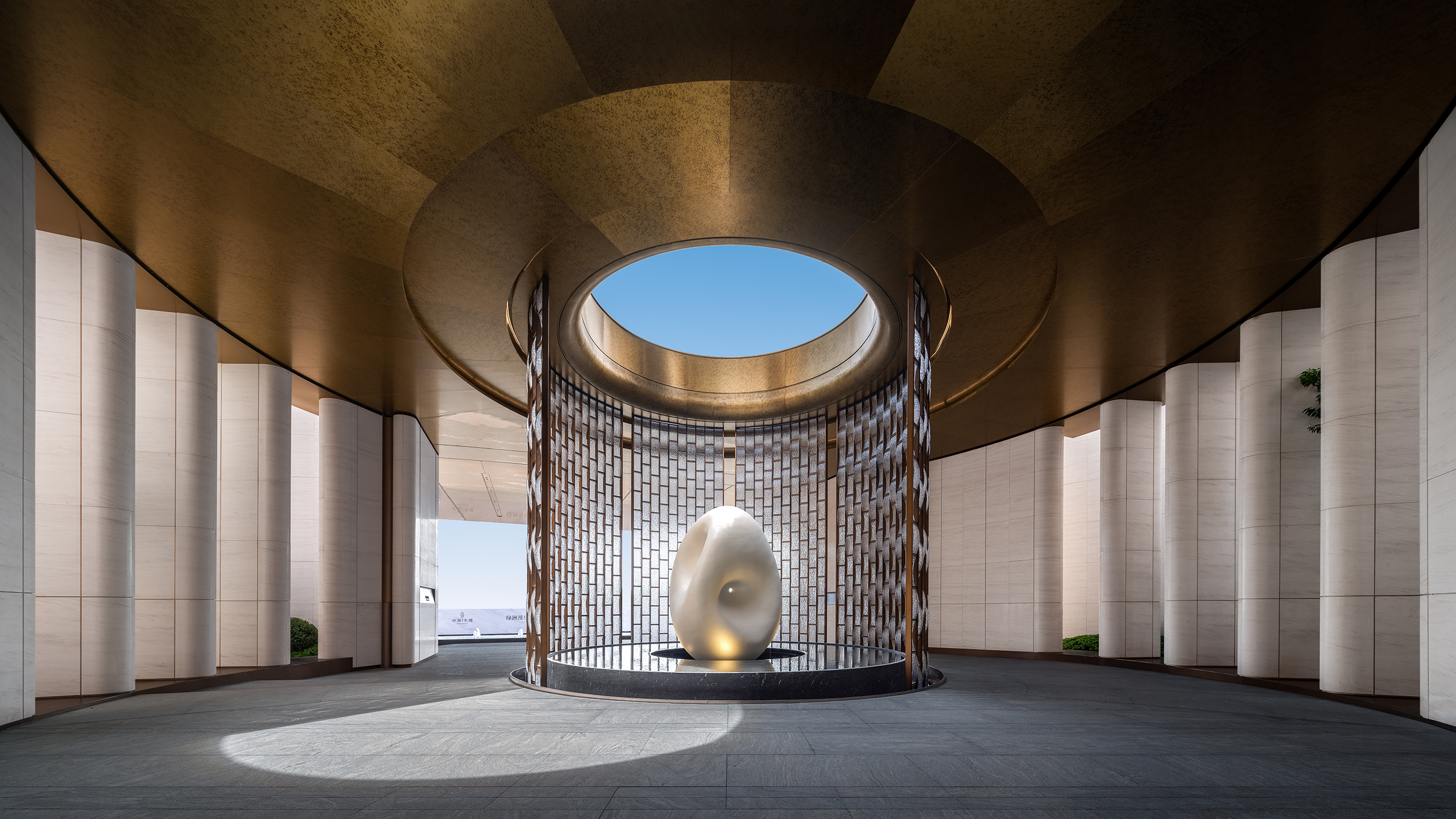
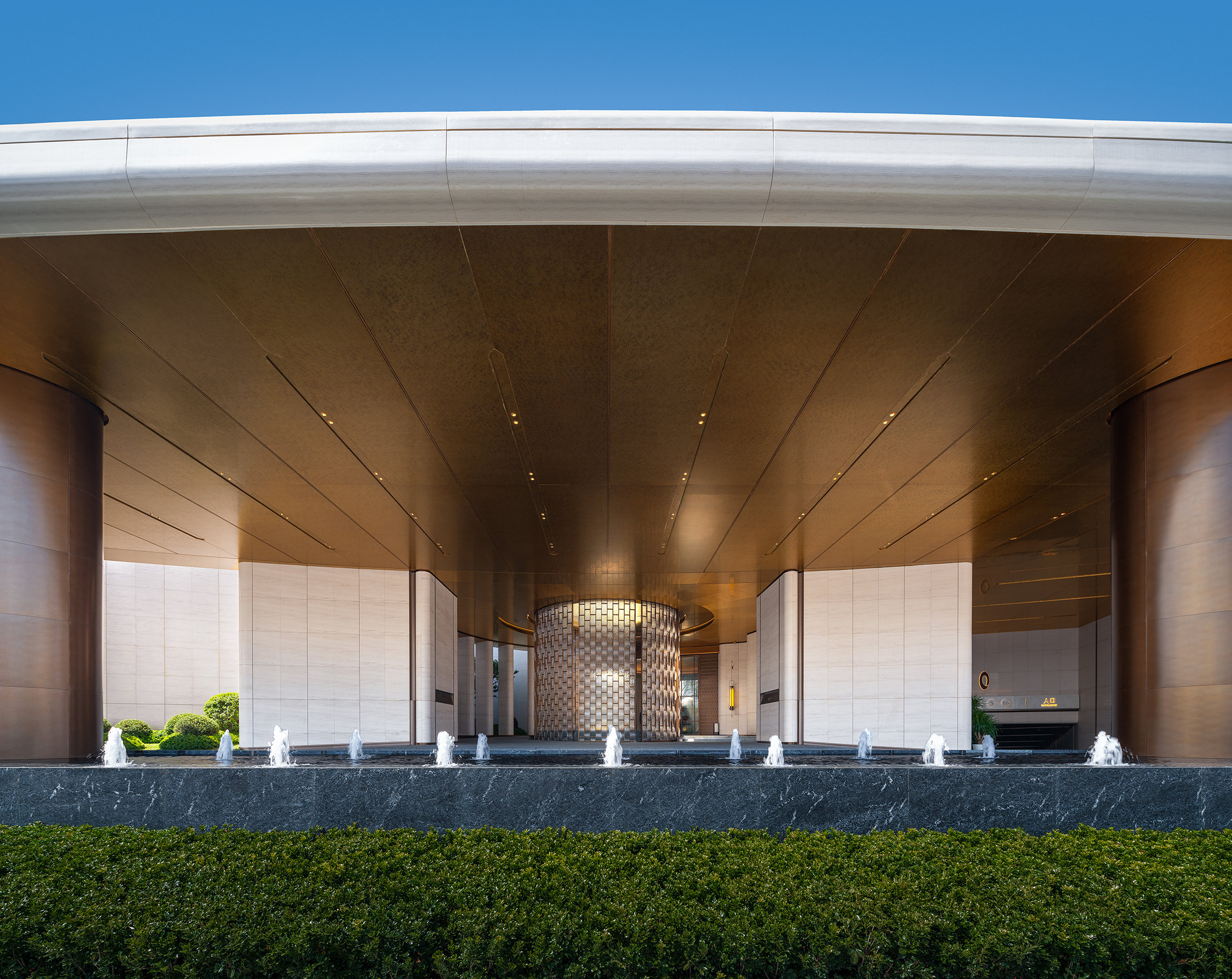
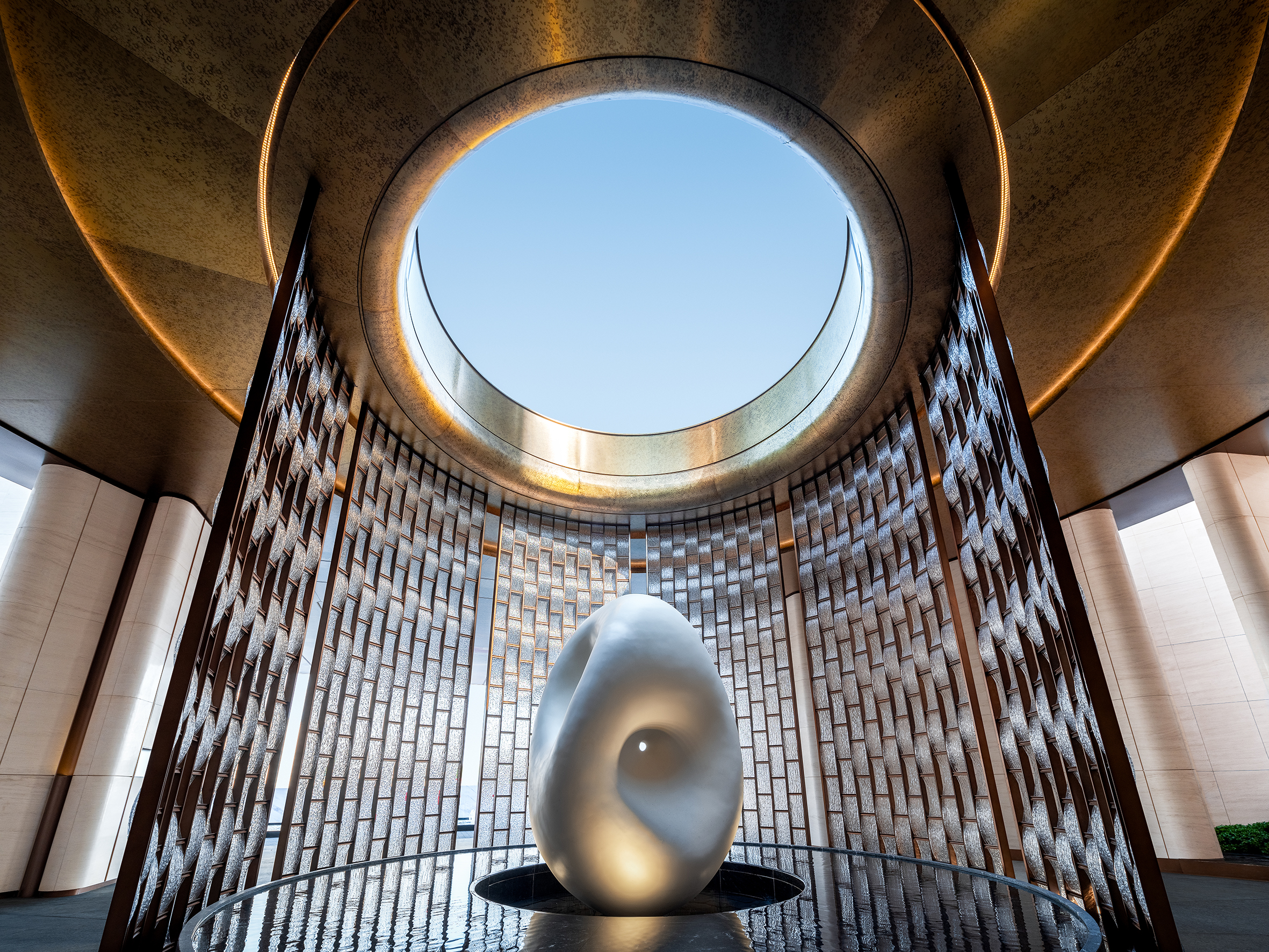
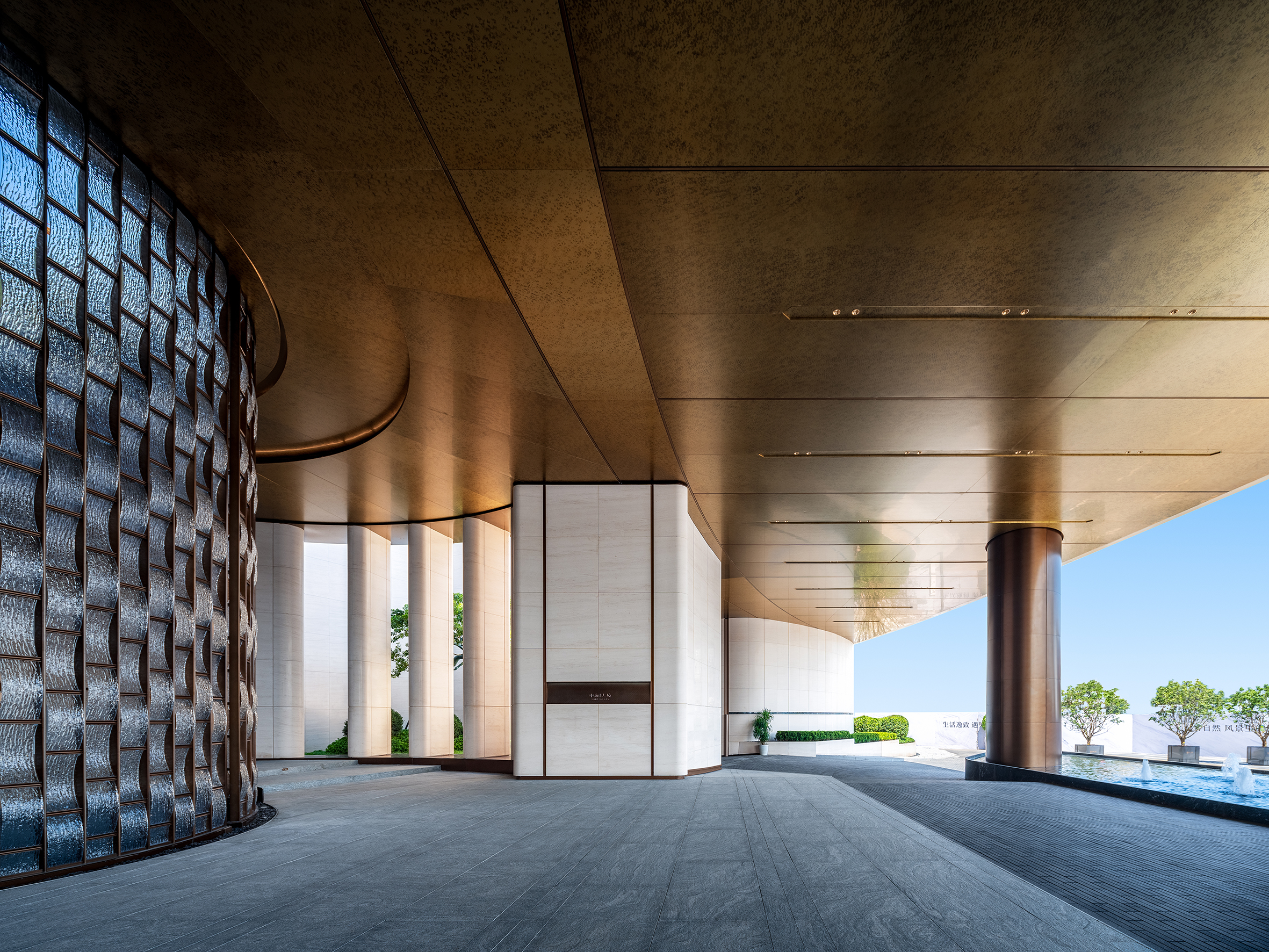
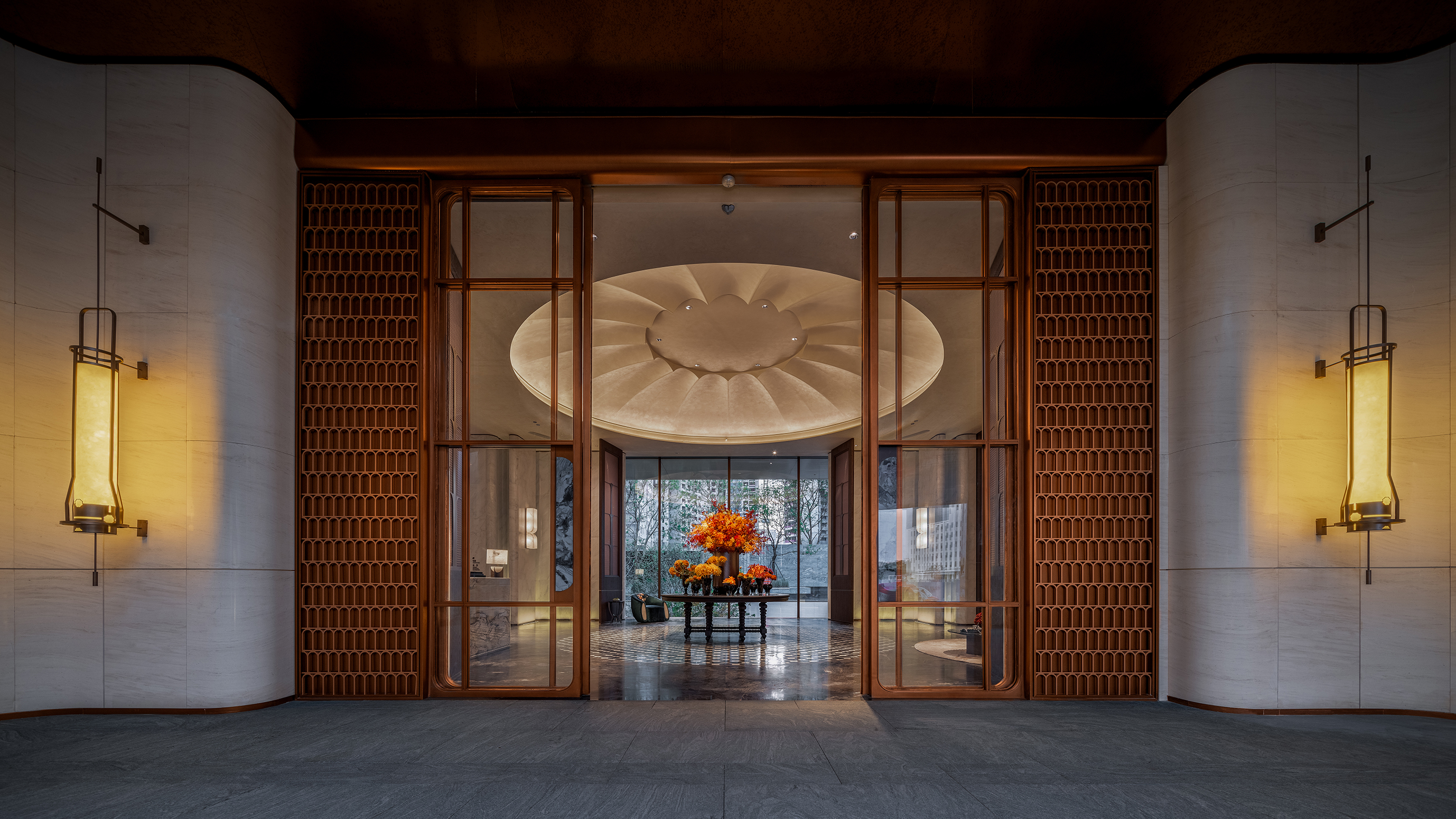
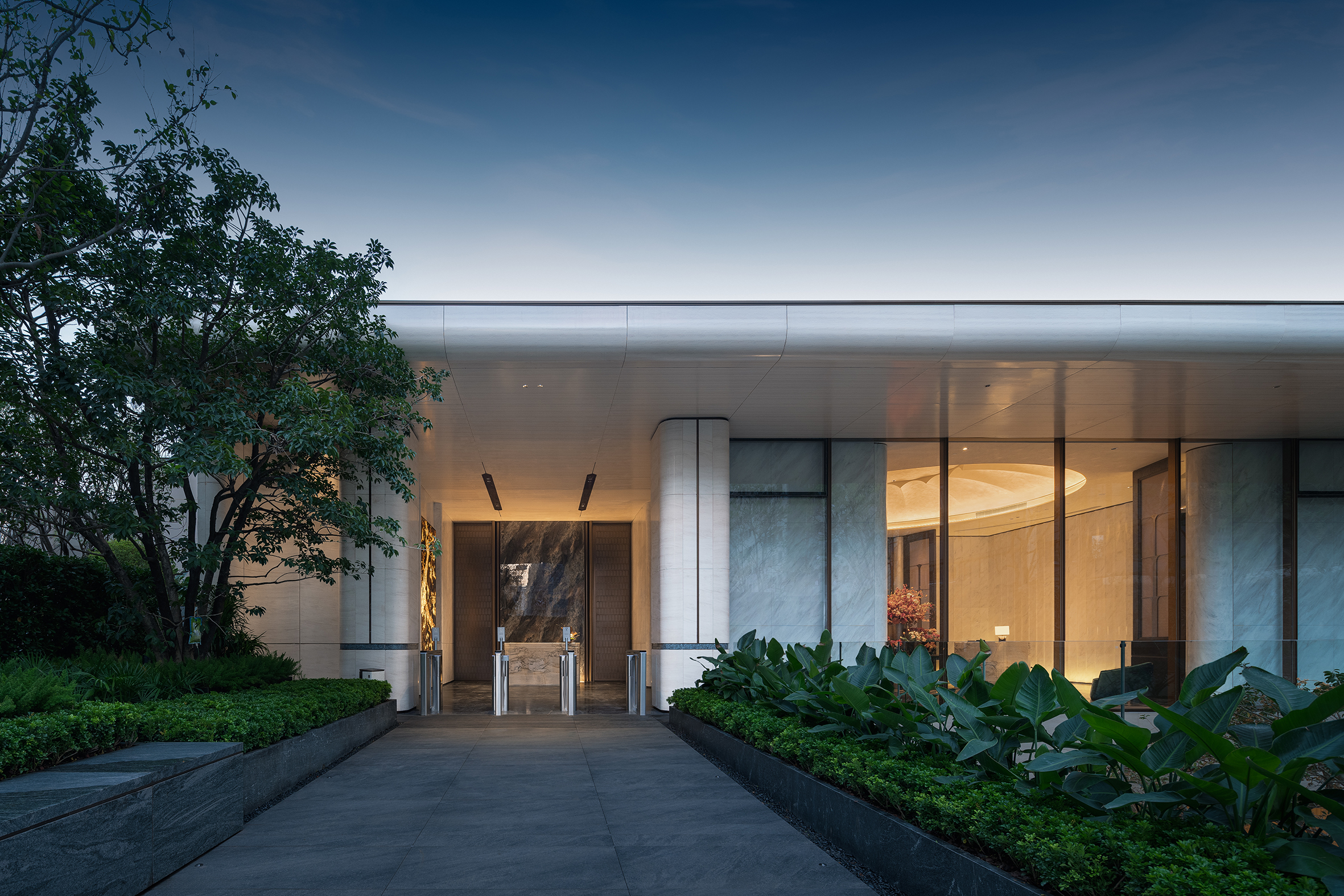
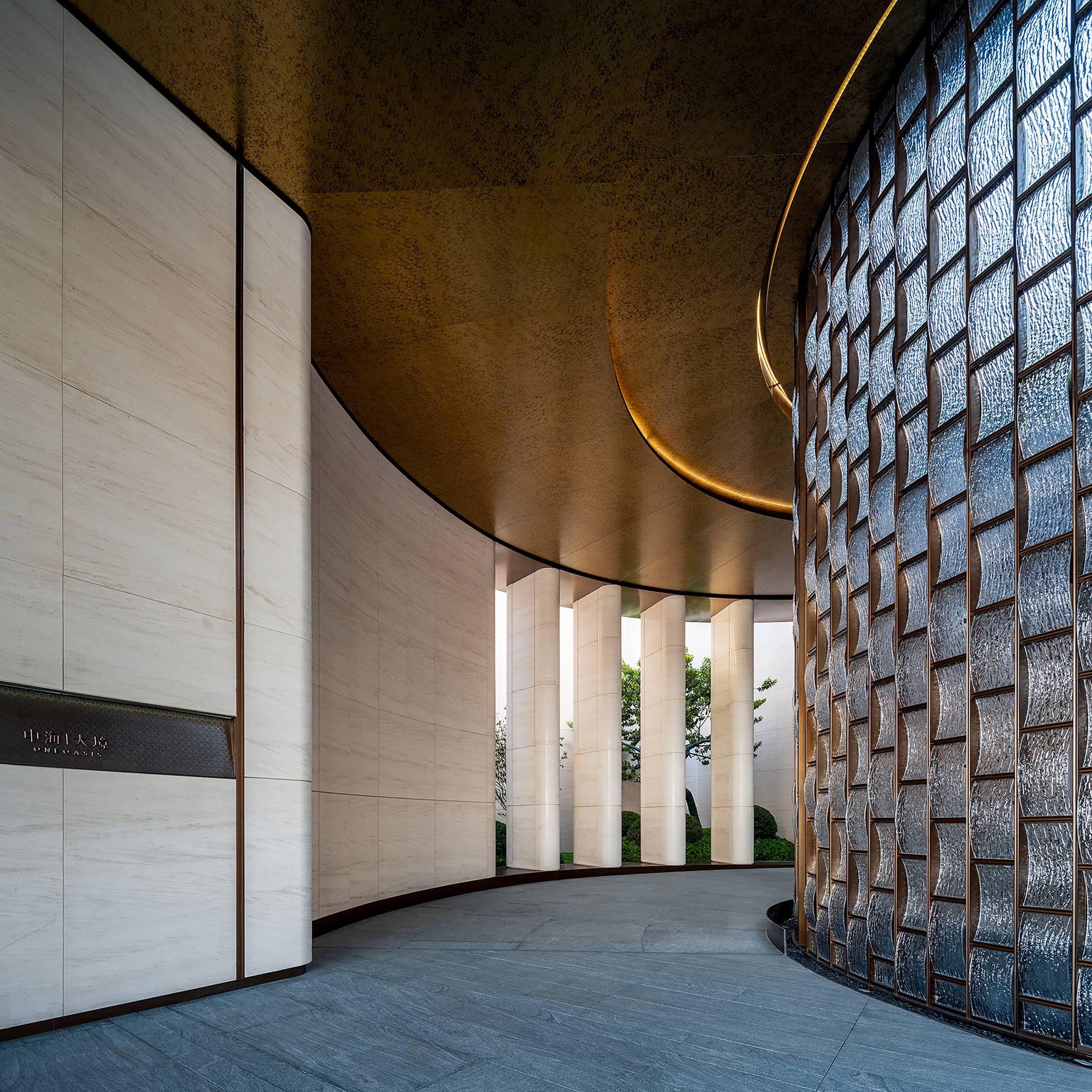
With the core concept of "Community Cluster · Symbiosis with Nature", this project aims to construct a community club integrating humanistic warmth, ecological wisdom, and spatial poetry. Drawing inspiration from the texture of traditional Chinese courtyards, the design creates a progressive spatial sequence that realizes an emotional transition from public to private and from open to enclosed, responding to the dual demands of modern communities for a sense of belonging and openness.
In the context of sustainable development, the building adopts a low-intervention and high-adaptability strategy. The overall volume features a gently extending horizontal silhouette, conforming to the original terrain of the site and the context of the surrounding landscape, thereby minimizing earthwork excavation and ecological disturbance. The deep overhangs not only form continuous gray spaces that blur the boundary between interior and exterior but also effectively provide shading and heat insulation, reducing air conditioning loads in summer. The roof reserves interfaces for a rainwater harvesting system, which can realize rainwater reuse for irrigation in the future, enhancing the recycling of water resources.
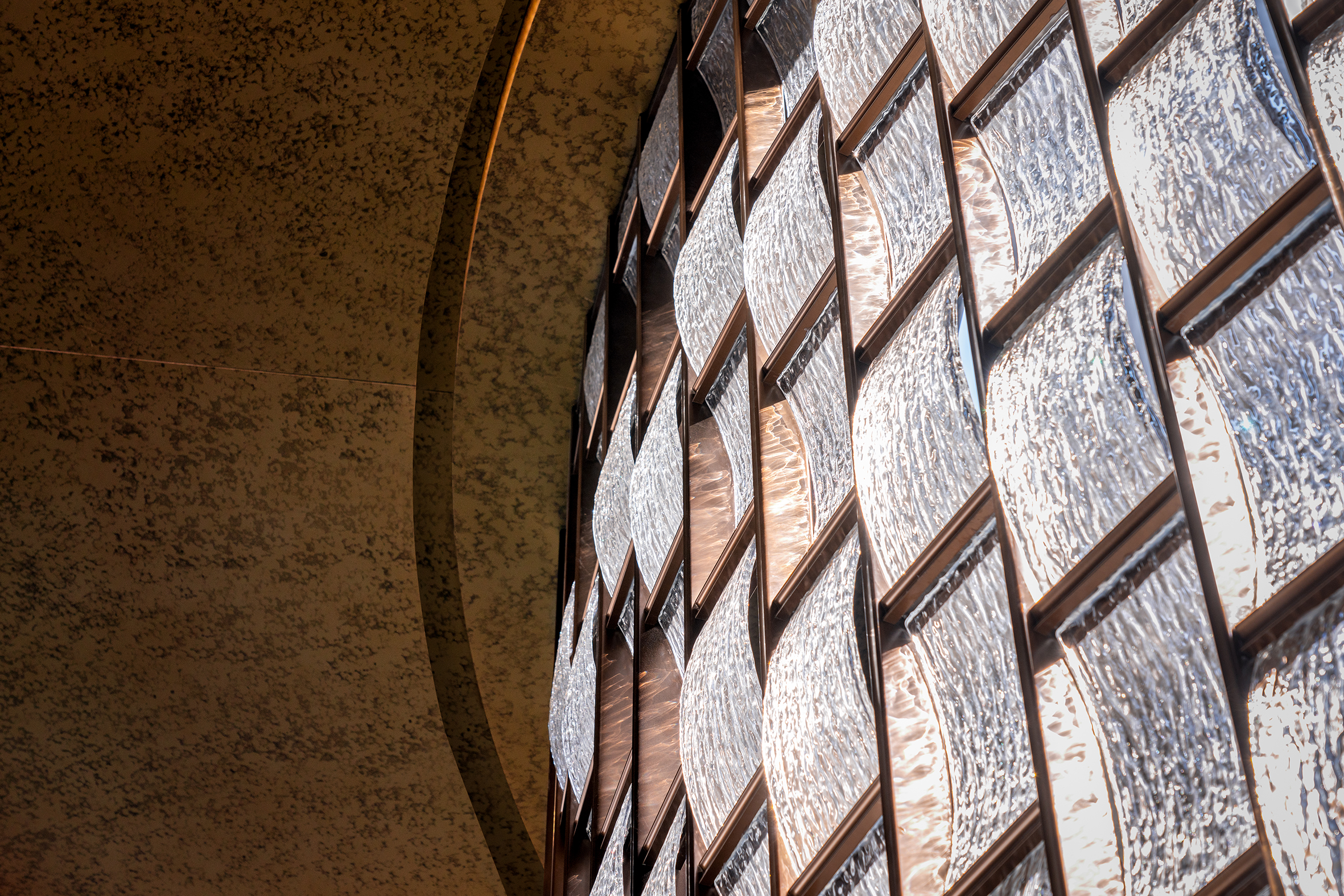
The facade system adopts high-performance Low-E glass curtain walls, combined with partial dark metal frames and local warm-toned stone bases. While ensuring adequate natural lighting, it optimizes the building's thermal performance. The stone materials are sourced from regional supply chains to reduce transportation carbon emissions; the metal components are detachable and recyclable, embodying green thinking throughout the whole life cycle. The building orientation and window layout have been optimized through sunlight simulation to promote natural ventilation and passive lighting, reducing reliance on artificial lighting and mechanical ventilation.
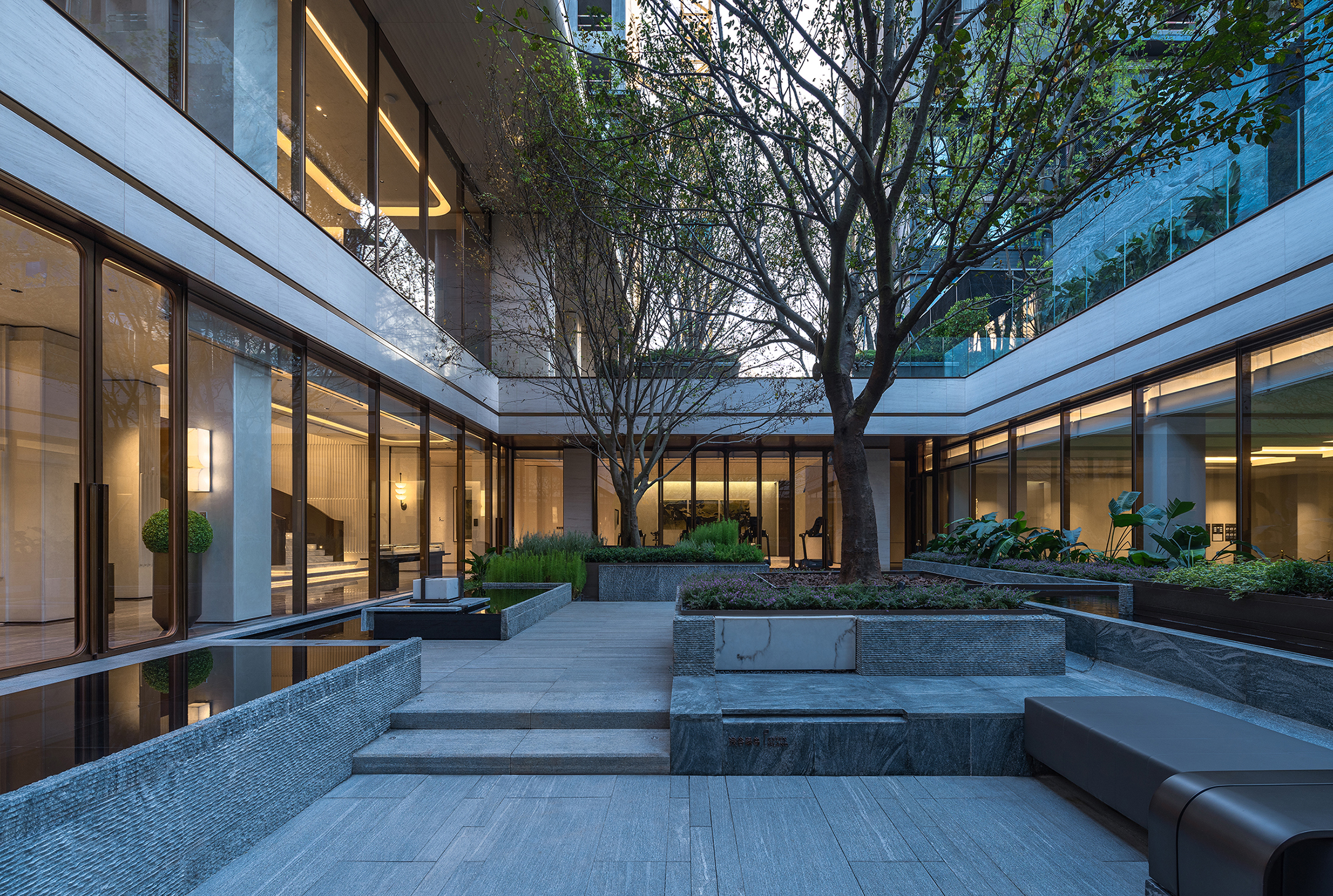
The spatial organization takes the central courtyard as the "green lung", connecting functional areas such as reception, negotiation, and exhibition to form a circular circulation. The courtyard is not only a visual focal point but also a microclimate regulator—vegetation transpiration for cooling and permeable pavement on the ground to enhance infiltration jointly construct a small-scale ecological microenvironment. The interior adopts flexibly partitionable wall systems to improve spatial flexibility and avoid demolition waste caused by future functional changes.
Credits
Entrant
Beijing Jingdong Century Trading Co., Ltd
Category
Packaging Design - Health & Wellness
Entrant
HG Innovation Limited
Category
Product Design - Product Poster
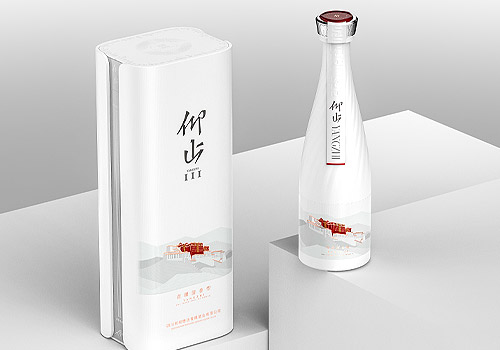
Entrant
Shanghai XiXingYueSe Design Co., Ltd.
Category
Packaging Design - Wine, Beer & Liquor

Entrant
National Taipei University of Business Institute of Creative Design and Management / Chen, Chun-Fu
Category
Interior Design - Residential