2026 Winner
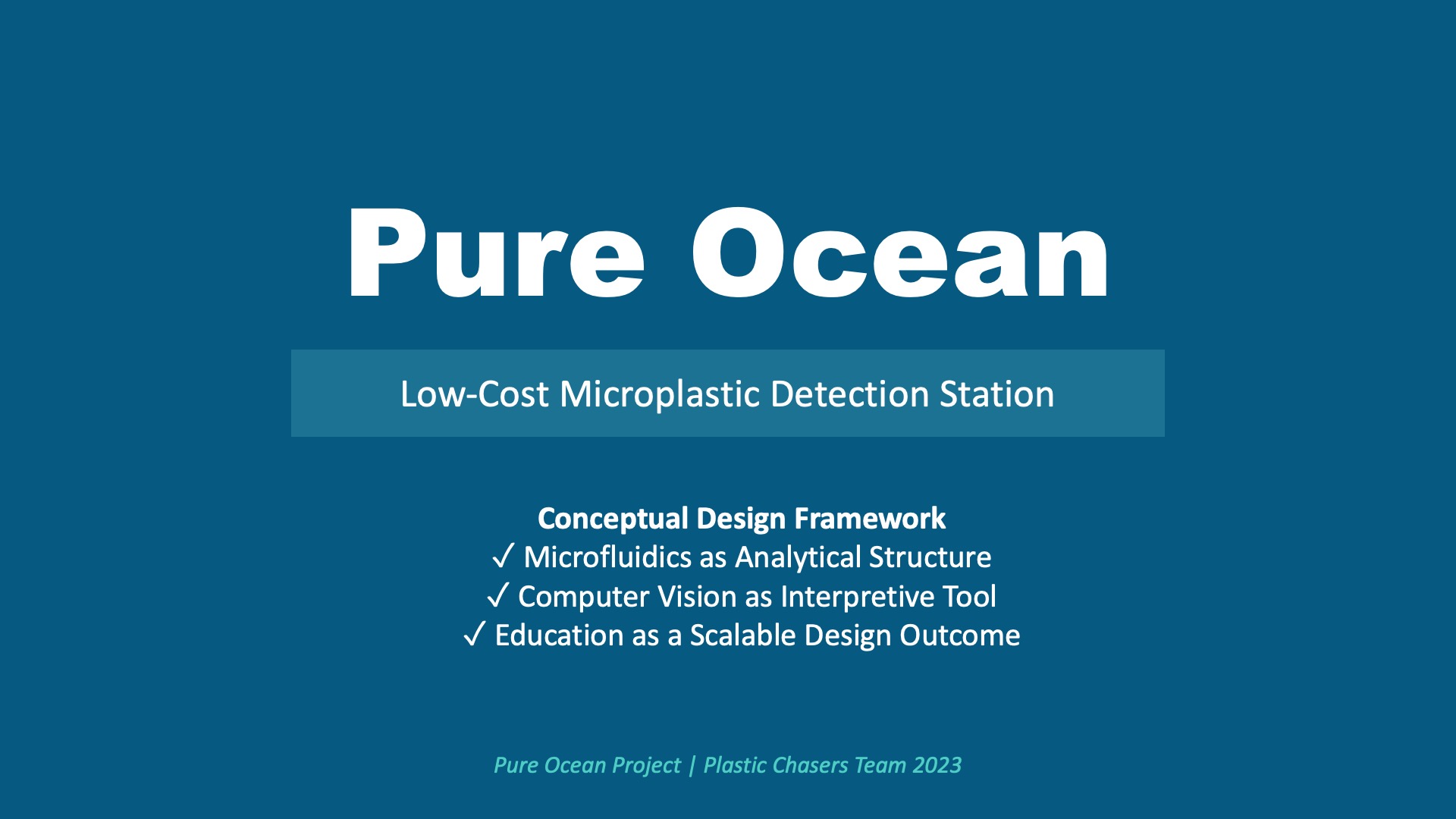
Pure Ocean-Low-Cost Microplastic Detection Station
Entrant
Kaohsiung American School
Category
Student Design - Environmental & Public Health Monitoring System – Conceptual Design
Client's Name
-
Country / Region
Taiwan
Gallery
About The Entry
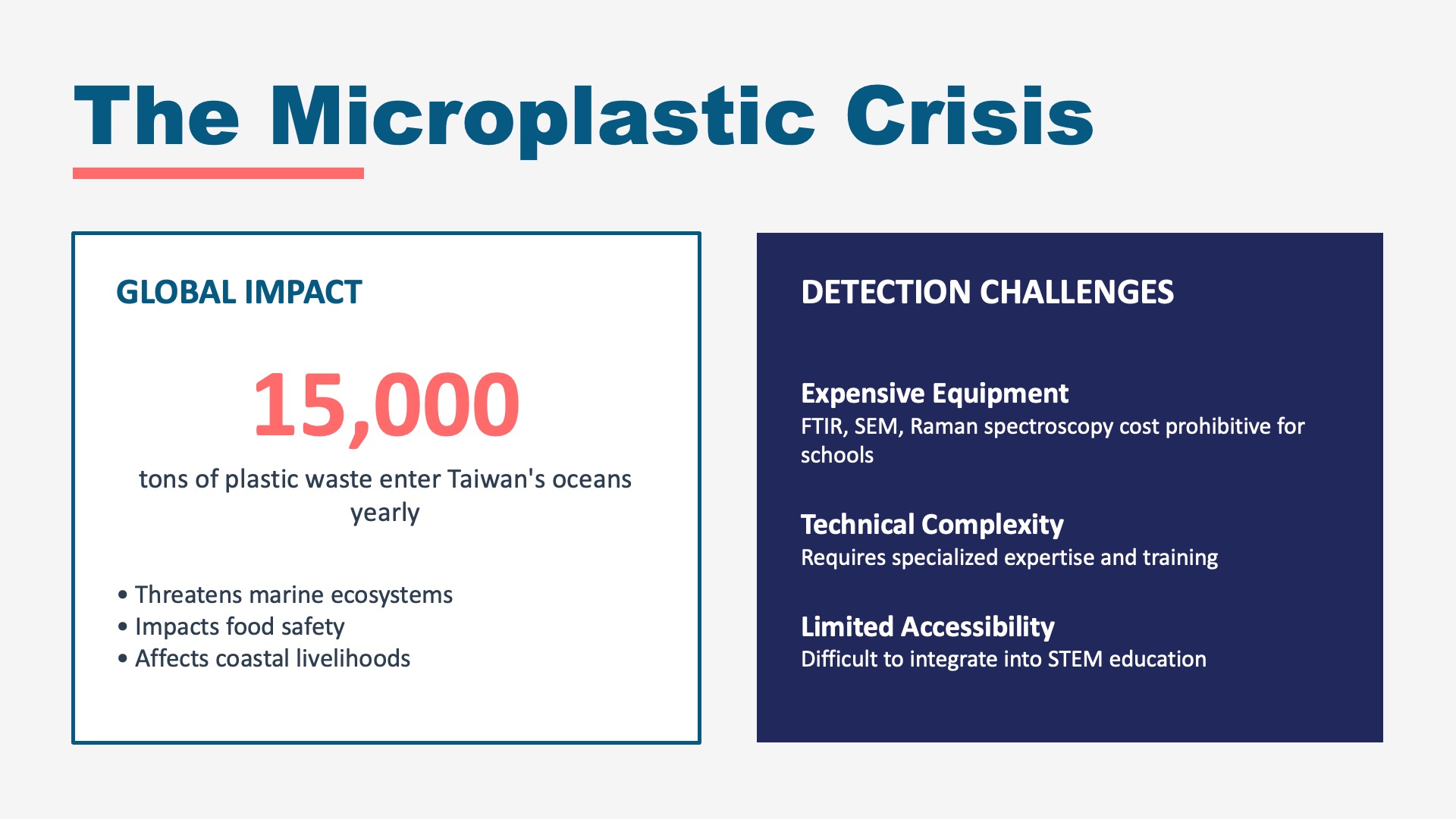
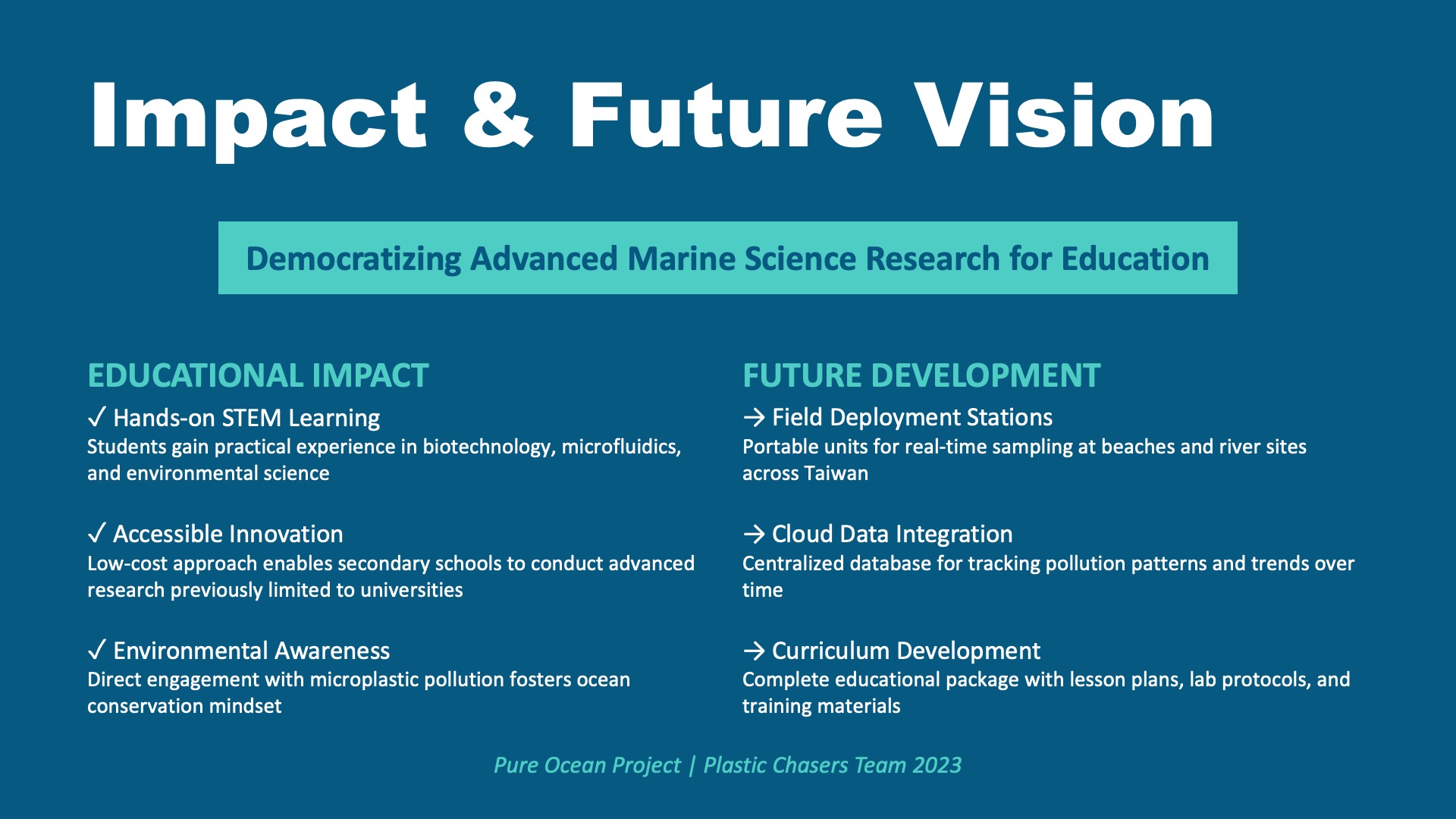
This conceptual design represents a groundbreaking approach that seamlessly integrates environmental science, engineering design, and educational innovation. At its core, the initiative aims to revolutionize the microplastic detection process, which has traditionally depended on costly and specialized equipment, by transforming it into an engaging, hands-on system suitable for secondary education settings.
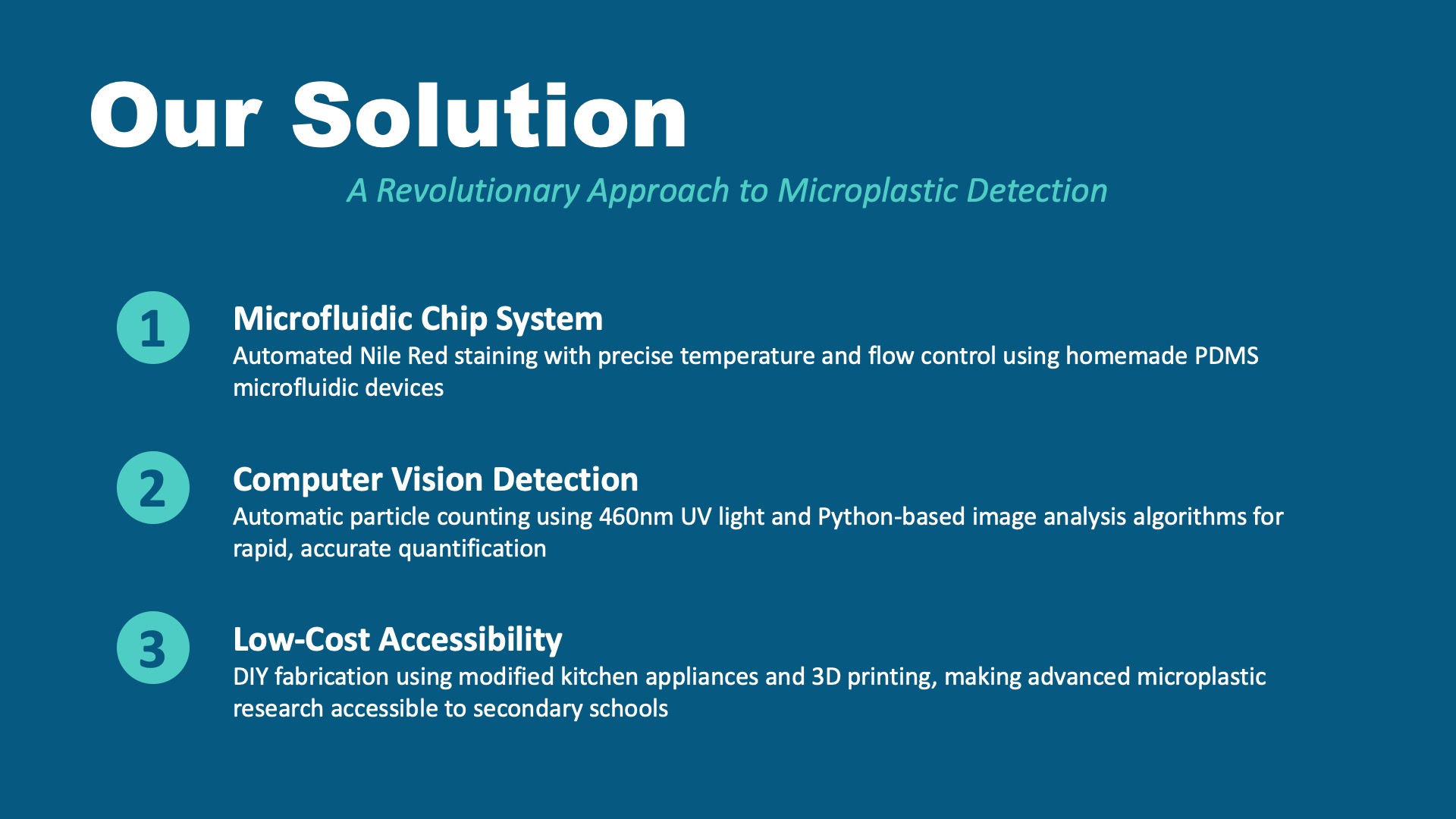
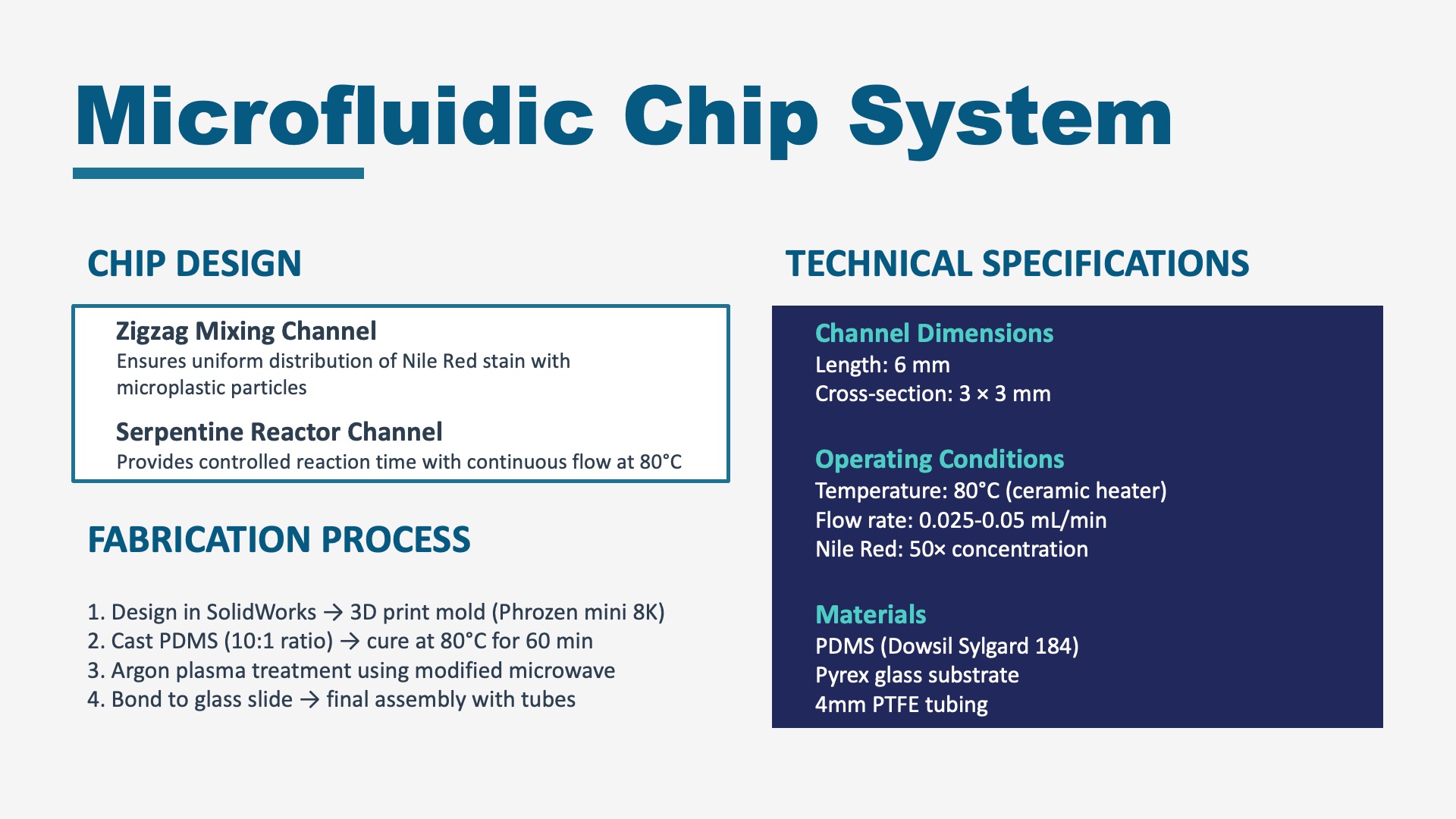
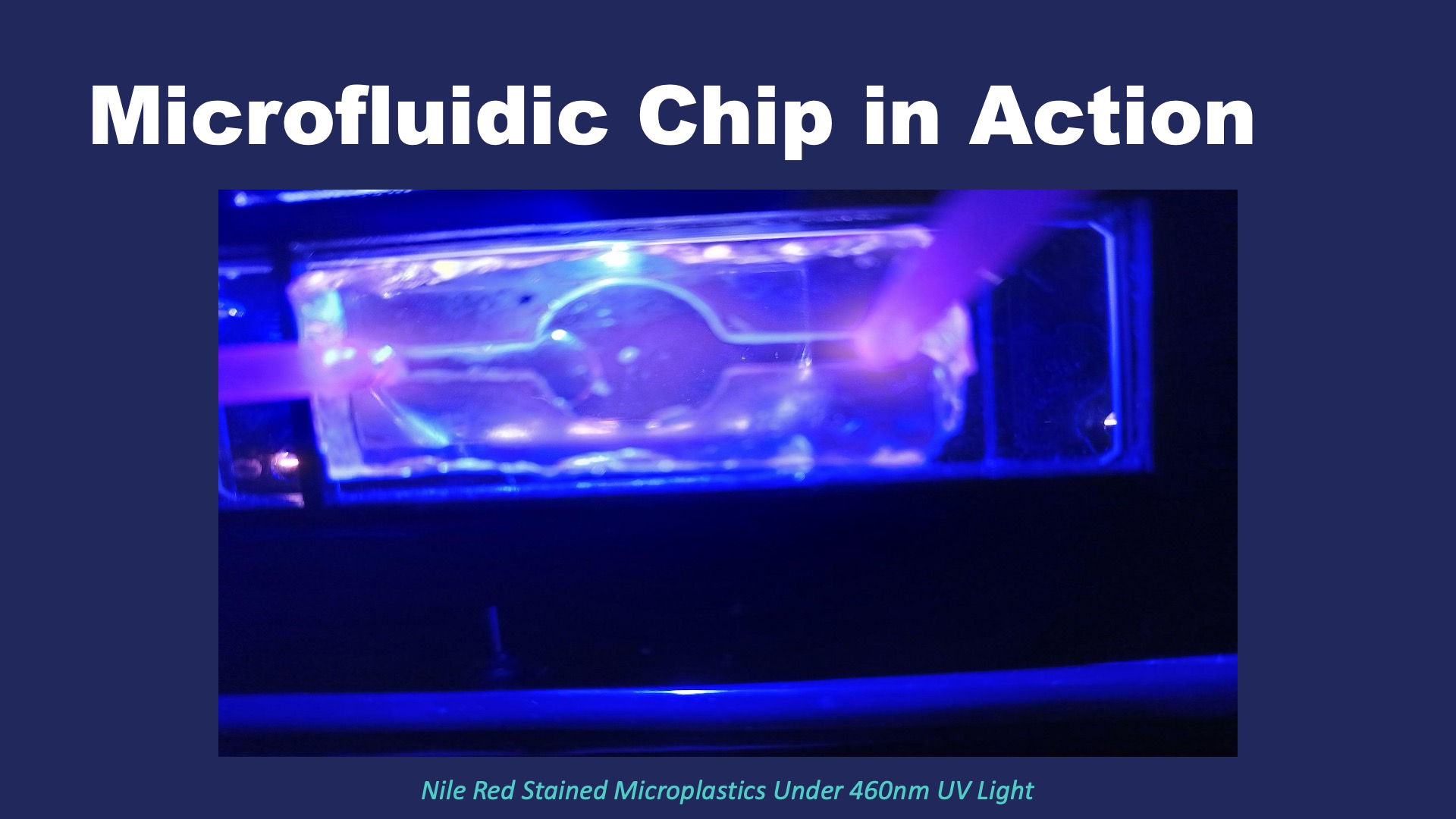
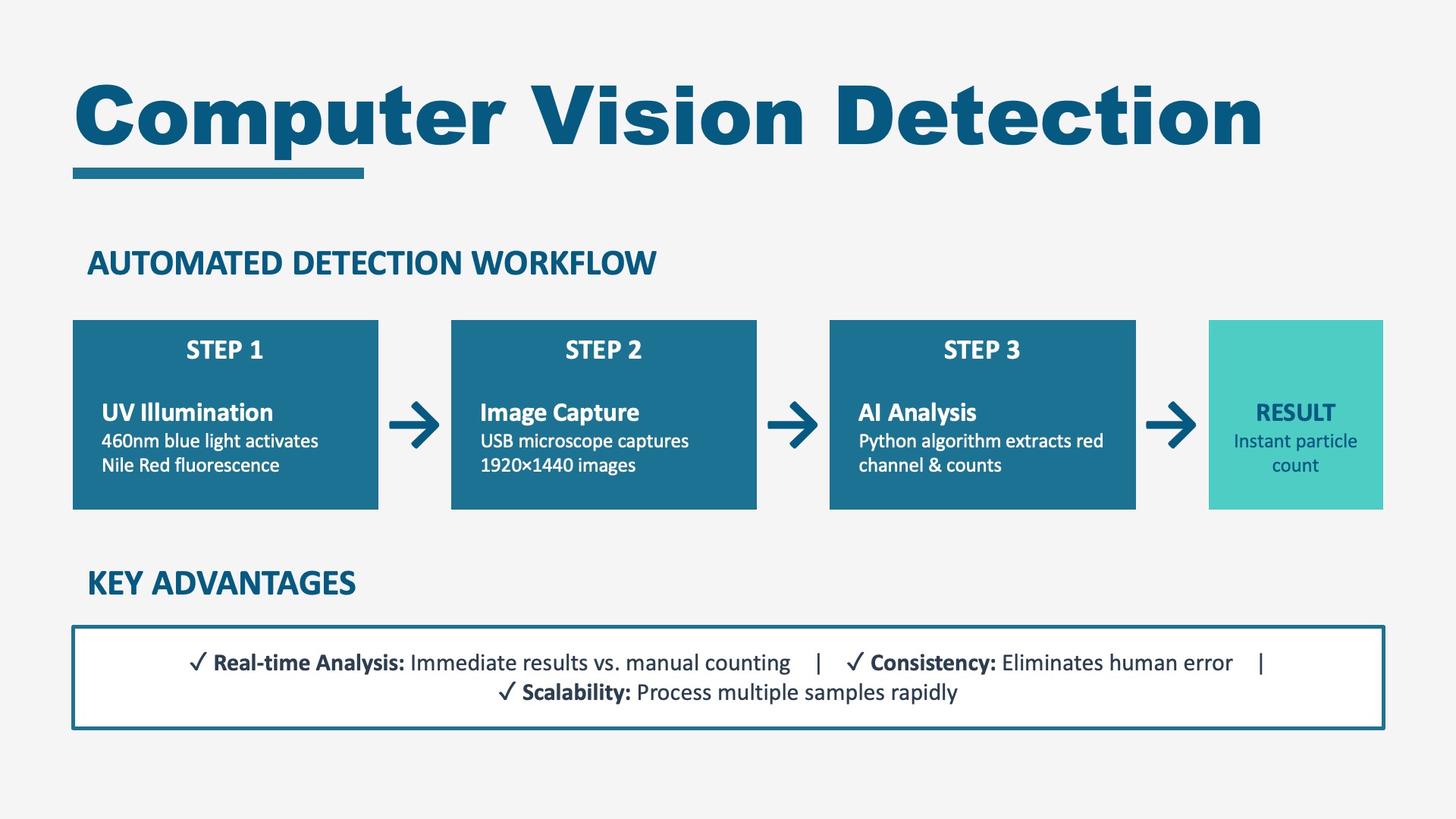
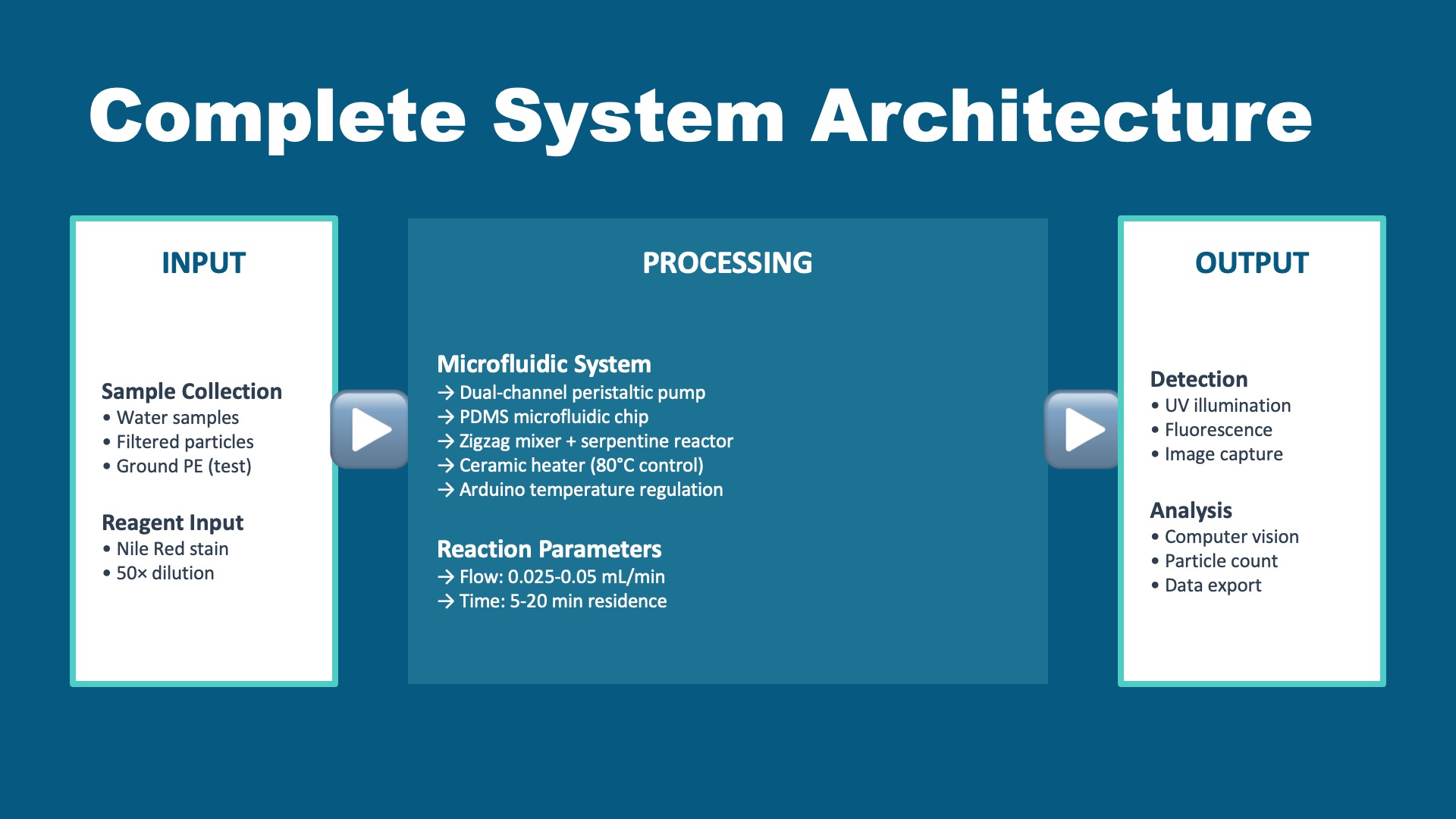
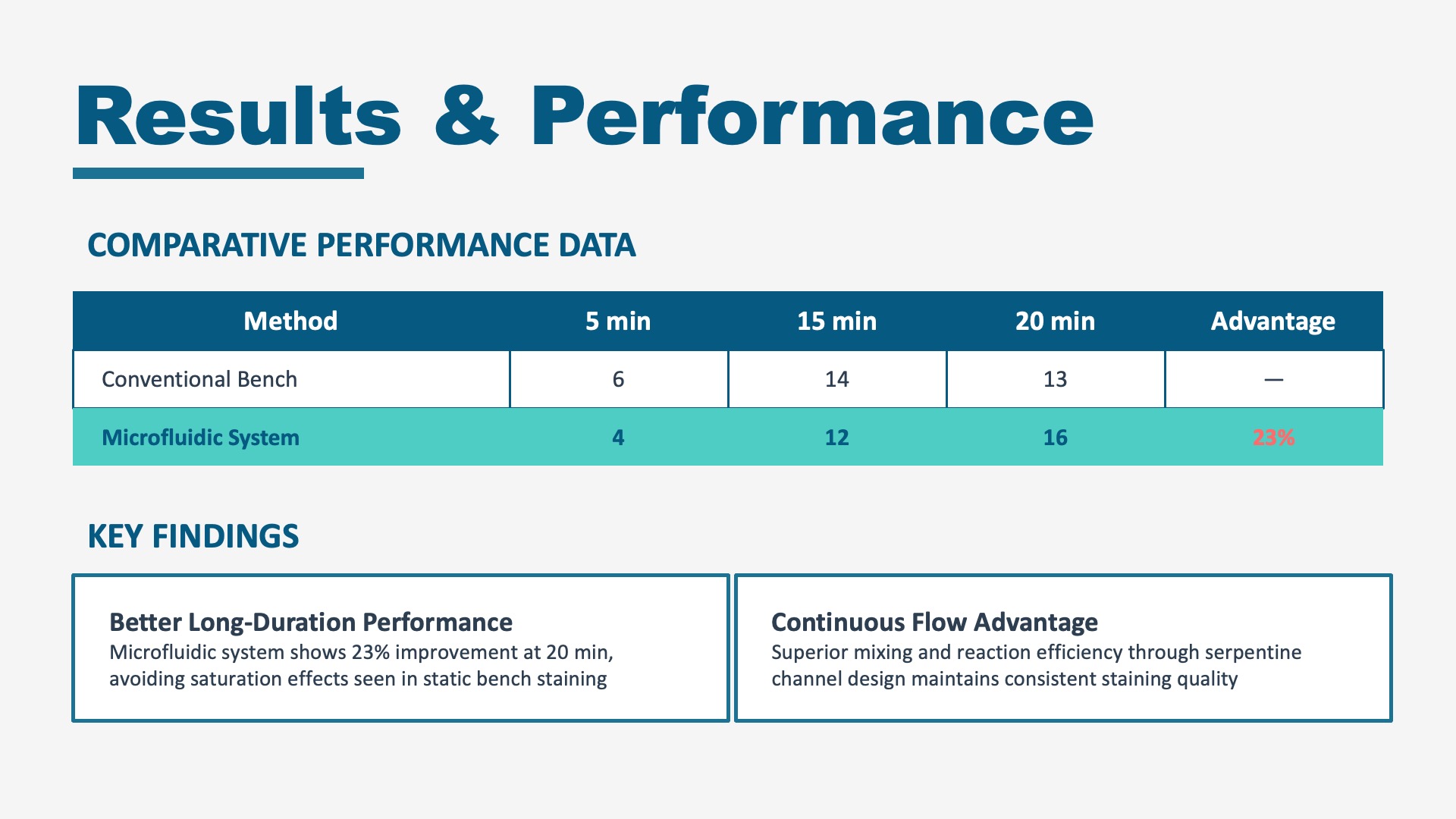
In light of limited resources available in many educational institutions, this design creatively reconfigures the microfluidic staining process. By incorporating automated Nile Red staining along with advanced computer vision analysis, it establishes a robust and reliable system for screening microplastics. Notably, when compared to conventional detection methods, this innovative system not only proves feasible in non-professional environments but also achieves impressive detection results under continuous-flow reaction conditions.
As a result, this design provides a practical and accessible technical demonstration, paving the way for educators to tackle essential environmental science topics that have long been hindered by technological challenges. By breaking down barriers and enhancing educational experiences, this initiative promises to inspire the next generation of scientists and environmental stewards.
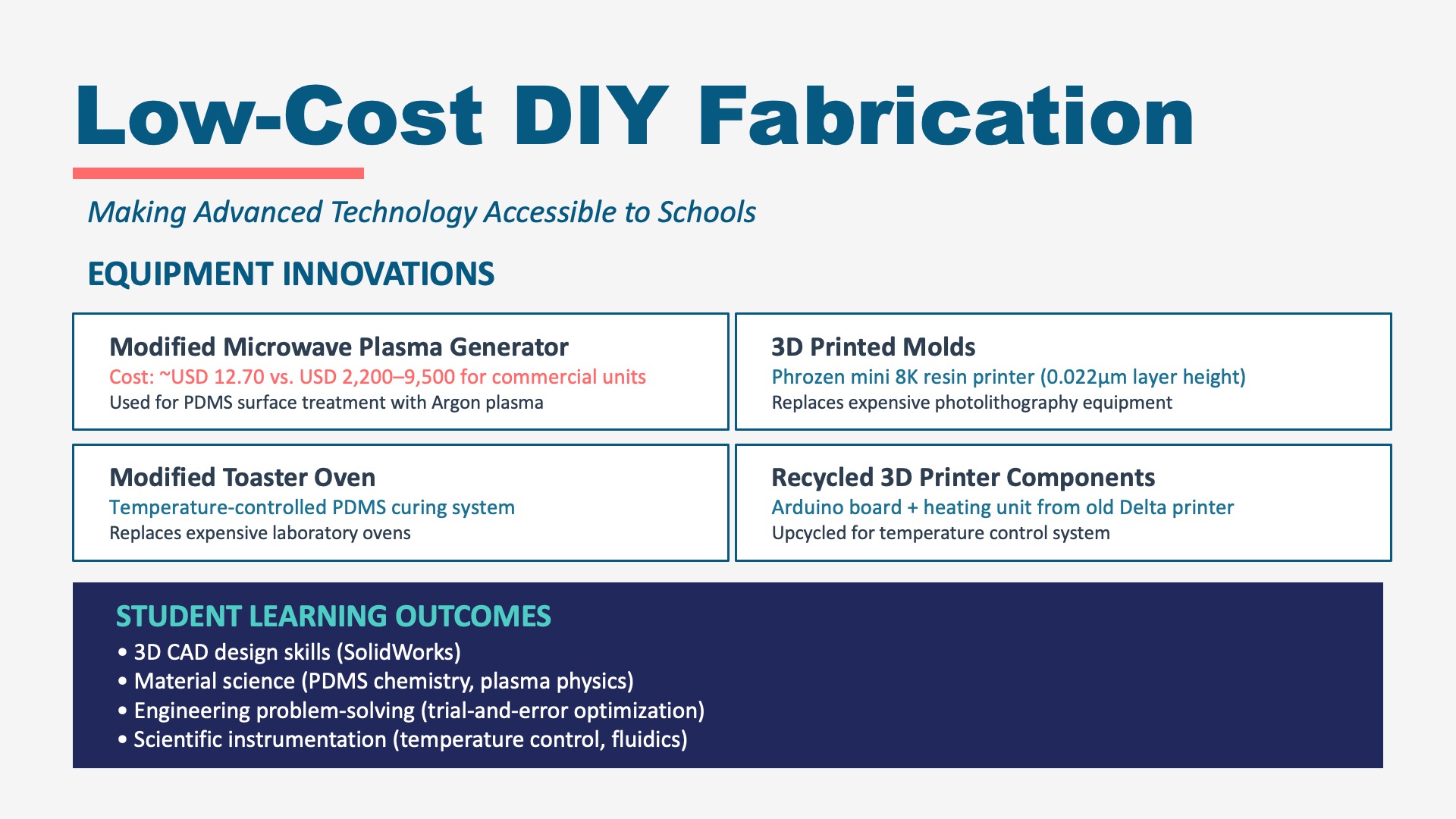
The team embarked on an innovative journey to reinterpret microfluidic fabrication and surface treatment techniques, skillfully utilizing readily available materials and equipment. By implementing methods such as PDMS soft photolithography, home oven curing, and homemade inert gas plasma treatment, they transformed intricate operations typically found in high-end laboratories into engaging, hands-on learning experiences suitable for secondary school students. Furthermore, through the meticulous design of serpentine reaction channels coupled with precise flow rate control, the team successfully facilitated the dyeing reaction in a continuous flow state. This advancement enabled real-time particle identification and counting, harnessed through the power of computer vision technology. In addition, the design seamlessly integrated field water sample collection into the experimental process, allowing students to immerse themselves fully in the authentic context of scientific research. This comprehensive approach encompassed various elements, from environmental observation to experimental execution, and culminated in rigorous data analysis. Overall, this initiative not only enhanced the educational experience but also inspired a deeper connection to scientific inquiry among the students.
Credits
Entrant
RZ Interior Design
Category
Interior Design - Living Spaces
Entrant
Not A Bridge Interior Design
Category
Interior Design - Residential